A Toolkit for Co-Created Community Engagement Projects
By the Migration Museum, United Kingdom In 2022, the People’s Panel and People’s Network were established to co-produce the Migration Museum’s core community engagement values….
More
News
By the Migration Museum, United Kingdom In 2022, the People’s Panel and People’s Network were established to co-produce the Migration Museum’s core community engagement values….
MoreHow to Build Reciprocal Community Partnerships to Create a More Inclusive, Collaborative Society This project was made possible in part by the Institute of Museum…
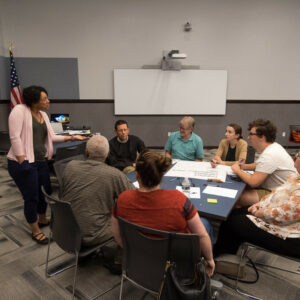
MoreDirector of Methodology and Practice Braden Paynter examines the complicated role of historic anniversaries in advocacy efforts. View the resource here.
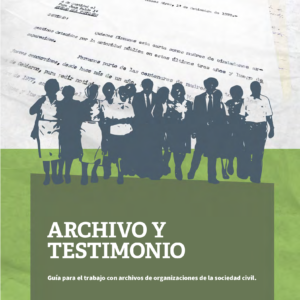
MoreThe intention of this manual is to present a clear and effective methodology for the archival treatment of the funds and collections preserved by civil…
MoreHear from panelists to learn how body mapping and other art forms have fostered healing around the globe. View the resource here.
MoreThis toolkit was written by the Coalition’s Secretariat to accompany Beyond Bollywood: Indian Americans Shape the Nation, an exhibit created by the Smithsonian Asian Pacific American Center and the Smithsonian Institution Traveling Exhibition Service (SITES). It provides basic grounding in the methodology behind facilitated dialogue, including the crafting of evocative questions, the use of appropriate dialogue techniques and suggested facilitator responses. Additionally, there are three program models to open new conversations about immigration, identity, race and social justice.
MoreThis session will briefly share frameworks for analyzing how museums and historic sites can navigate partisan divides. View the resource here.
MoreSites of Conscience explore how crises like pandemics can lead to expansions or constrictions of civil and human rights. View the resource here.
MoreCreated by Coalition member Nonviolence International Southeast Asia, this toolkit assists teachers and peace educators on conducting peace education with school-age children and youth. The toolkit includes planning activities and check lists, personal narratives of historic events and evaluation processes.
MoreLearn the definition and many signs of burnout as well as ways to help prevent it from happening. View the resource here.
MoreCarta del Norte Una Historia de Migracion includes two publications from the Museo de la Palabra y la Imagen (MUPI) which describe the immigration experience from El Salvador to the United States as part of their Memory of Migration Program. The publications contain facts and images about the migration from El Salvador to the United States, letters from a parent in the U.S. to their child in El Salvador, and lesson plans on how to use these resources with students.
MoreListen and learn as facilitators and artists discuss their experience with the Coalition’s recently concluded In Dialogue: A Community-Centered Public Art Project Reflecting Tulsa’s Inter-tribal Identity…
MoreDrawing from findings of the European symposium Challenging Narratives, Fostering Empowerment and Collaborative Practice from June 20-21, 2024, in Liverpool (UK), ICSC and partners developed…
MoreCorporacion Parque por la Paz Villa Grimaldi gathered academics and practitioners for a seminar and workshop in 2010 to consider the role of Sites of Conscience in the construction of a democratic society. This publication includes the presentations from that gathering, covering Villa Grimaldi’s and other Sites of Conscience approaches to how to create spaces that promote democratic debate and how to build collective memory of difficult histories. The report is only available in Spanish.
MoreSites of Conscience examine different types of contemporary collecting around civil rights, activism and truth and reconciliation efforts. View the resource here.
MoreA Virtual Gathering on Community and Connection in Moments of Crisis As the global social justice landscape continues to shift, the International Coalition of Sites…
MorePresenters consider dialogue used by Sites of Conscience to examine what is necessary for dialogue to be effective. View the resource here.
MoreProduced by Sites of Conscience member, Healing Through Remembering, this Conversation Guide provides dialogue parameters and questions for communities grappling with the past conflict in and about Northern Ireland. The Guide is written for facilitators and others with group facilitation skills interested in supporting individuals and groups on the issue of dealing with the past and remembering.
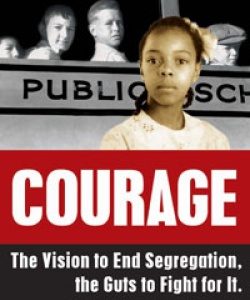
MoreAn evaluative study of Conversations on Courage, dialogues conducted by the Levine Museum of the New South in Charlotte, North Carolina around their exhibit, Courage: The Carolina Story that Changed America. The study captures the knowledge, reflections and attitudes of 792 participants, 62 groups, and 38 organizations, including leaders from Charlotte’s corporate, civic and government sectors, that participated in Conversations on Courage from February 1 – May 31, 2004.
MorePublished in 2023, this toolkit is a step-by-step guide to implementing ICSC’s unique “Correcting the Record” methodology, which was developed to support the efforts of…
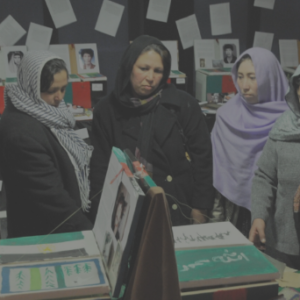
MoreSites of Conscience from Australia and Nepal explore how art can be used to incorporate women’s stories into official narratives. View the resource here.
MoreCommunications Director Ashley Nelson showcases media tools for an array of platforms to assist members in advocacy and promotion. View the resource here.
MoreSites of Conscience around the globe engage on issues related to healthy environments in multiple ways, including advocating for solutions to the climate crisis and highlighting the disproportionate effect of climate change on marginalized communities. In our next webinar, “Cultivating Peace: Healing Communities Through Healing the Earth,” we will explore how to foster more resilient, equitable and healthy communities through programming that directly engages with nature and offers new approaches to how communities understand their land both past and present.
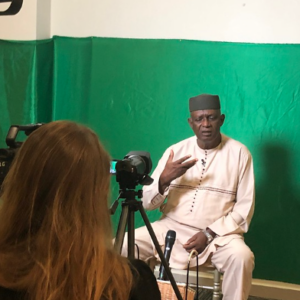
MoreIn this webinar, Linda Norris, Coalition’s Director of Global Network, shares some concrete tools to help you connect with visitors. View the resource here.
MoreEducators from First Nations share experiences and strategies for supporting communities affected by oppression, with a focus on education. View the resource here.
MoreCoalition staff and participants converse about different definitions of justice and how each can inform Sites of Conscience. View the resource here.
MoreThis webinar will look at how museums can help grow democracies and give participants a chance to share challenges and opportunities. View the resource here.
MoreIn post-conflict settings around the world, family members often play a galvanizing role in advocating for truth and justice for their loved ones lost to…
MoreDirector of Methodology and Practice Braden Paynter offers strategies for engaging staff and visitors in dialogue in digital spaces. View the resource here.
MoreSituated in “red” states and “blue” states, big cities and rural communities, Sites of Conscience and their allies are uniquely positioned to foster constructive dialogue on gun control among a wide subset of people. But how? On February 16, 2023 – shortly after the fifth anniversary of the mass shooting at Marjory Stoneman Douglas High School in Parkland, Florida, which killed 17 people and injured 17 more – join us as we discuss how museums and memory sites can memorialize gun violence, deepen our understanding of the history and mythology surroundings guns in America, and spark productive conversations on gun control that transcend political and ideological divides.
MoreDIVERSITY CHALLENGES This toolkit shares lessons learned from the peace-building organization, Diversity Challenges, in developing a storytelling project about the recent conflict in and around…
MoreA Toolkit for Experienced Documenters Seeking Accountability This toolkit aims to provide, in as concise a manner as possible, guidelines and best practices for collecting,…
MoreSenior Specialist of Methodology and Practice Linda Norris introduces practical exercises to help Sites of Conscience craft powerful labels for their exhibitions. View the resource here.
MoreA Guidebook for Practitioners This guidebook is for practitioners from a range of fields that engage or would like support displaced individuals and communities in…
MoreCoalition staff and members showcase a variety of evaluation methods focused on creating impactful cultural programs. View the resource here.
MoreHear from Braden Paynter, Director of Methodology, as he shares strategies for engaging staff and visitors in dialogue in digital spaces. View the resource here.
MoreInvolucrar al público en conversaciones difíciles y controvertidas no es fácil, pero a menudo necesario. Encuentra como hacerlo en esta sesión. Vea el recurso aquí.
MoreEstrategias de diálogo en espacios digitales a medida que se exploran nuevas plataformas para fomentar el cuidado y la comprensión. Vea el recurso aquí.
MoreThis session explores how organizations can incorporate the importance of joy into their methodologies with both visitors and staff. View the resource here.
MoreDirector of Development Sara Murphy shares resources and strategies for funding, grant proposals and reporting in challenging times. View the resource here.
MoreAn in-depth exploration of the challenges, successes and best practices related to memorialization in post-conflict settings, this toolkit is a collaborative effort by Sites of Conscience members from a variety of post-conflict settings including Bangladesh, Russia, East Timor, Chile, Liberia and Northern Ireland.
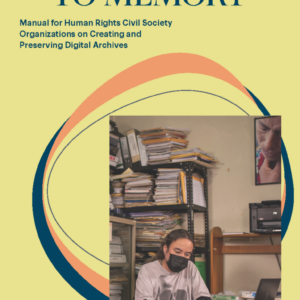
MoreManual for Human Rights Civil Society Organizations on Creating and Preserving Digital Archives Released in 2023, this publication aims to support civil society actors in…
MoreHear from the seven recipients of the Coalition’s second Community Engagement Grant initiative: “Inter-Religious Understanding Through Graphic Arts.” View the resource here.
MoreIn this webinar, hear from the six Community Engagement Grant awardees as they share their projects. This is part one of a series of Coalition…
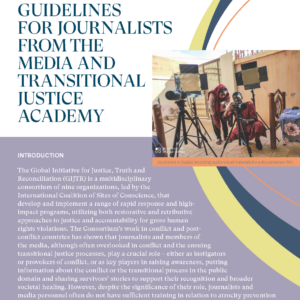
MoreThese guidelines are meant to serve as a resource for continued learning and exchange with other journalists interested in advancing truth, justice and memory after…
MoreA Front Page Dialogue guide centered on helping audiences have productive conversations around guns and second amendment rights in America. View the resource here.
MoreTHE INTERNATIONAL COALITION OF SITES OF CONSCIENCE Founder and Board Member Emeritus Ruth J. Abram describes the founding and early defining principles of the International…
MoreJoin Coalition staff and members as they discuss ways to support economic empowerment and sustainability through memory work. View the resource here.
MoreMethodology and Practice Director Braden Paynter shares tools to navigate difficult histories through dialogue-based programming. View the webinar here.
MoreJoin us for a discussion on how to memorialize sites of violence against Black Americans. The conversation will be moderated by Jamira Burley – an…
MoreExplore tools to support Black creators, identify systemic barriers to business participation, and play a role in addressing access challenges. View the resource here.
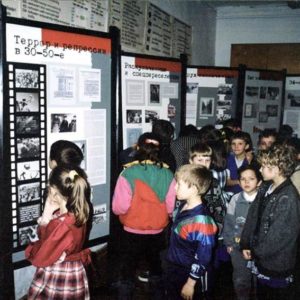
MoreA dialogue program outline for use with youth ages 15 to 16 years old, I Have the Right Club was written by the Gulag Museum at Perm-36 in Russia (2009). The outline guides facilitators through a dialogue around freedom and other broad human
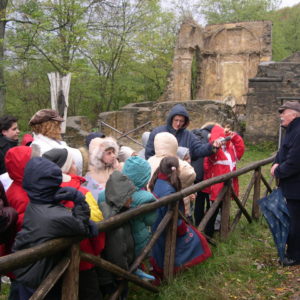
MoreDeveloped by the Peace School Foundation of Monte Sole, the “laboratory-visit” program is an experiential guided tour of the Monte Sole Historic Park, which utilizes evidence-based history, oral narratives, dialogue questions and reflection. Between September 29 and October 5, 1944, 800 people in more than 100 places in the area were killed by Nazi SS troops with the help of Italian fascist elements. In addition to discussing the program’s educational pedagogy, the article contains a detailed description of the tour and a bibliography of resources.
MoreA Manual for Inclusive, Victim-Centered Documentation and Memorialization of Forced Displacement Launched in March 2024, this manual provides guidance to adopt inclusive and victim-centered documentation…
MoreHear from Sites of Conscience as they share ways that intangible cultural heritage can strengthen communities. View the resource here.
MoreAt historical sites, the available historical evidence rarely tells the whole story. Longstanding systems of inequality and injustice have dismissed the experiences of racial and…
MorePresented in collaboration with GIJTR, this session considered what an effective truth and justice commission might look like in the United States. View the resource here.
MoreWorkers’ rights are human rights the world over. Join the Coalition’s Braden Paynter as he speaks with members about connecting the history of labor to…
MoreLearn strategies for meaningfully incorporating land acknowledgements into work and life. View the resource here.
MoreLearn the ways you can avoid and confront problematic language in terms in museum collections and archives. View the resource here.
MoreUsing examples from past and present, panelists discuss the history between public health and discrimination. View the resource here.
MoreCoalition Board, staff and members discuss challenges women face in sharing their stories and suggest strategies for overcoming them. View the resource here.
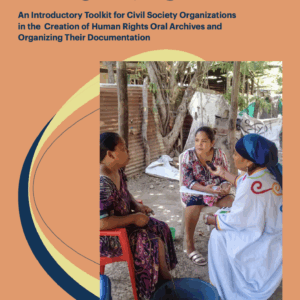
MoreThis document was developed as an instrument to support civil society organizations (CSOs) in Colombia in the development of oral archives and in the organization…
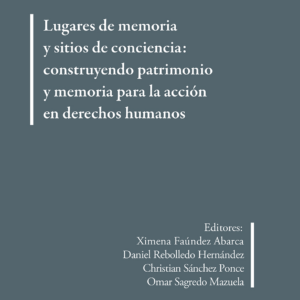
MoreEl presente libro reflexiona acerca de la configuración conceptual, discursiva y performática de los lugares de memoria y sitios de conciencia, tanto en Chile como en otros lugares, abordando las particularidades de su funcionamiento, tensiones y continuidades.
MoreMaking Chega! A Reality: Memory and Memorialization in Timor-Leste is a report from Coalition’s 2011 Asian Sites of Conscience Regional Meeting. The report discusses the use of memory as a mechanism to contribute to post-conflict reconstruction and reconciliation. Held at the invitation of the United National Post Commission for Reception, Truth and Reconciliation, the gathering was attended by Coalition members from Bangladesh, South Korea, Thailand, Cambodia, Indonesia, Timor-Leste and the United States.
MoreCasa Memoria José Domingo Cañas comparte acerca de su ardua labor para la protección de derechos humanos en Chile. Vea el recurso aquí.
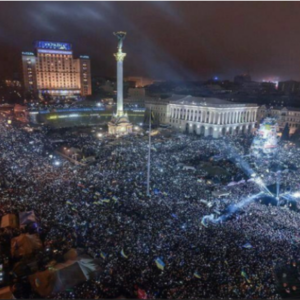
MoreJoin us as we welcome the Maidan Museum to discuss institutional challenges and developments in Ukraine. View the resource here.
MoreLearn about the National Human Rights Museum in Taiwan and its programming and exhibitions. View the resource here.
MoreAna Edwards, Chair of Sacred Ground, discusses the Project’s mission to expand community understanding of its public history resources. View the resource here.
MoreGuests discuss how community-based initiatives can empower disadvantaged youth and foster brighter futures. View resource here.
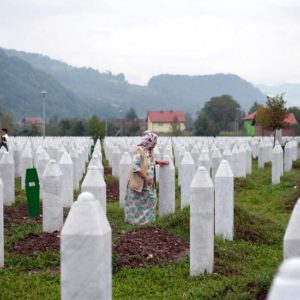
MoreSrebrenica-Potocari Memorial Center & Cemetery talks about their work preserving and honoring the stories of the Srebrenica Genocide. View the resource here.
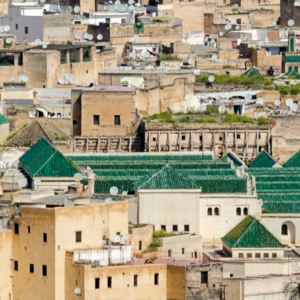
MoreLearn about the Human Rights Center for Memory and Archives’ efforts to defend human rights in Morocco. View the resource here.
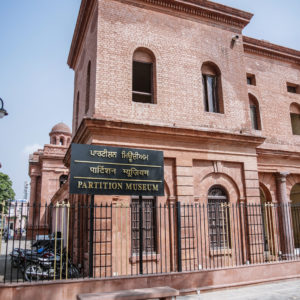
MoreStaff from the Partition Museum, a Coalition member in India, discusses its oral histories, personal artifacts, and response to Covid-19. View the resource here.
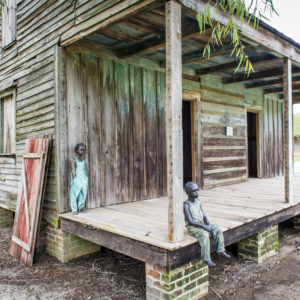
MoreAshley Rogers, Executive Director of the Whitney Plantation, talks about the museum’s history, activities, and challenges posed by Covid-19. View the resource here.
MoreThis toolkit was created for teachers, activists, memory practitioners and others seeking resources for innovative educational approaches to addressing past human rights violations and divided…
MoreIn this webinar, ICSC’s Senior Specialist in Methodology and Practice Linda Norris will speak with Ihor Poshyvailo from Maidan Museum, a Site of Conscience in Kiev about the immediate and long-term effects of such destruction and how cultural workers in Ukraine are actively attempting to counter these attacks.
MoreA Front Page Dialogue guide centered on helping audiences have productive conversations around #MeToo and women’s narratives at museums. View the resource here.
MoreThree Sites of Conscience share music pieces that have had a transformative effect on issues past and present at their organizations. View the resource here.
MoreDeveloped for the Coalition’s National Dialogues on Immigration project (2014-2015), this evaluation toolkit was implemented at each of the project’s twenty participating Sites of Conscience to assess the success of each institution’s site-specific dialogue work as well as the collective success of the project
MoreNATIONAL MUSEUMS NI Ethical best practices should be applied to all aspects of museum work and help inform decision-making. This document details the National Museums…
MoreLearn strategies for avoiding careless commentary and effectively engaging with it when it does occur. View the resource here.
MoreIn this Conscience Matters webinar, join Coalition staff as they welcome new members from across the globe and discuss the benefits of membership. This webinar…
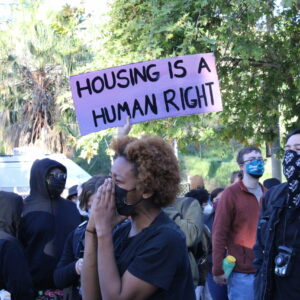
MoreThe right to adequate housing, including the ability to live “somewhere that is in keeping with your culture” with “access to appropriate services, schools, and…
MoreOur understanding of history is, in so many ways, a process – one that unfolds overtime as new research unveils new perspectives, communities engage with…
MoreIn this session, you’ll learn specific strategies on ways to help organizational teams manage challenging situations. View the resource here.
MoreThe Coalition’s Regional Managers summarize emerging themes related to Covid-19 from members around the world. View the resource here.
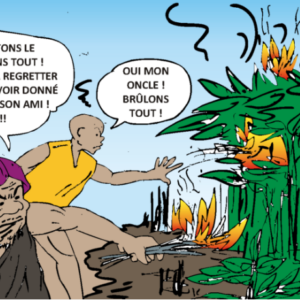
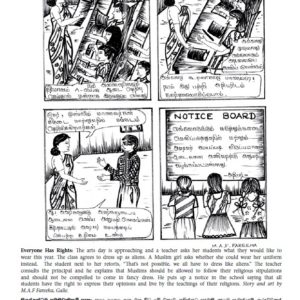
MoreCreated by Coalition member, the International Centre for Ethnic Studies (ICES) and World Comics India (WCI), this publication features eight-page comics, written by and for the Galle District of Sri Lanka, as a means of fostering meaningful and productive dialogue across religious and ethnic boundaries. Written in English, Sinhalese and Tamil, the comics include the experiences and perspectives of school children, teachers, village leaders, members of village-level women’s groups, journalists and monks on religious and ethnic coexistence.
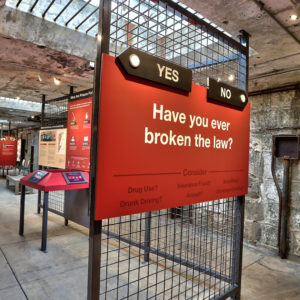
MoreThis report synthesizes observations and interviews completed in evaluating the 2016 Eastern State Penitentiary exhibit, Prisons Today: Questions in the Age of Incarceration. This report includes sample observation forms and interview questions, data results, and summaries of the evaluation findings.
MoreWASSMUTH CENTER FOR HUMAN RIGHTS Sites of Conscience “engage the public in programs that stimulate dialogue on pressing issues.” This toolkit illustrates how one site…
MorePrototyping is and should be a messy process. Imperfection is ideal, and big budgets are not necessary. In fact, the scrappier it is, the better…
MoreA prototype is a model – the beginning of an idea. Like all good ideas, successful prototypes begin with questions. What are we trying to…
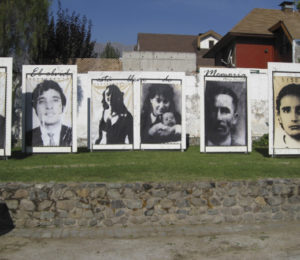
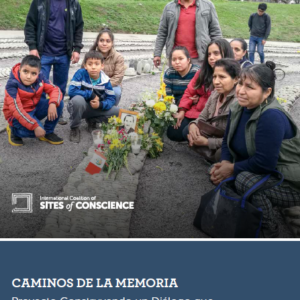
MoreAsociacion Caminos de la Memoria – El Ojo que Llora El presente informe narra la experiencia recogida en la implementación del proyecto CONSTRUYENDO UN DIÁLOGO…
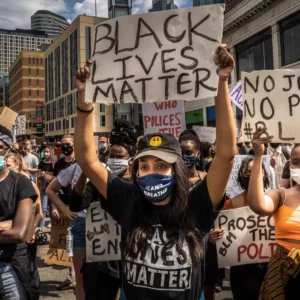
MoreA dialogue guide, written in 2020, intended to assist museum professionals lead productive conversations on race and policing in the aftermath of the killing of…
MoreLearn strategies for ensuring that all members of a community are included in Sites of Conscience programming. View the resource here.
MoreSites of Conscience from Syria, Turkey, and special guest from Germany talk about their efforts to monitor and offset destructive media outlets. View the resource…
MoreThis Webinar Short will preview the first global workshop of the Coalition’s 2021 Global Summit. View the resource here.
MoreICOM has sought to refine its definition of a museum. Join the Coalition in identifying key words and themes that will be shared with ICOM….
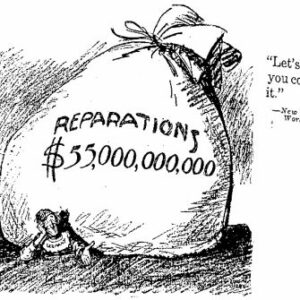
MoreSince the advent of the Black Lives Matter movement, “reparations” are often referred to in the media, but what exactly they are is not always understood. What is their purpose? How might they be dispersed? To whom? And what role do they have in connecting ideas of justice to the legacies of slavery in the United States? On March 23, 2023, join Ereshnee Naidu-Silverman, Senior Director of the Global Transitional Justice Initiative at ICSC, for our next Webinar Short, which will explore these questions and more through a global lens.
MoreIn this Conscience Matters webinar, learn strategies for navigating security concerns and press restrictions to support transitional justice. View the resource here.
MoreThe Coalition’s Global Initiative for Justice, Truth and Reconciliation (GIJTR) regularly produces publications to share lessons learned from its work around the world. These tailored…
More