Transitional Justice Consortium
Around the world, millions of people are living in the aftermath of mass atrocity, authoritarian rule, and violent conflict. For survivors and affected communities, the path forward demands more than the passage of time; it requires truth, accountability, and the space to reflect.
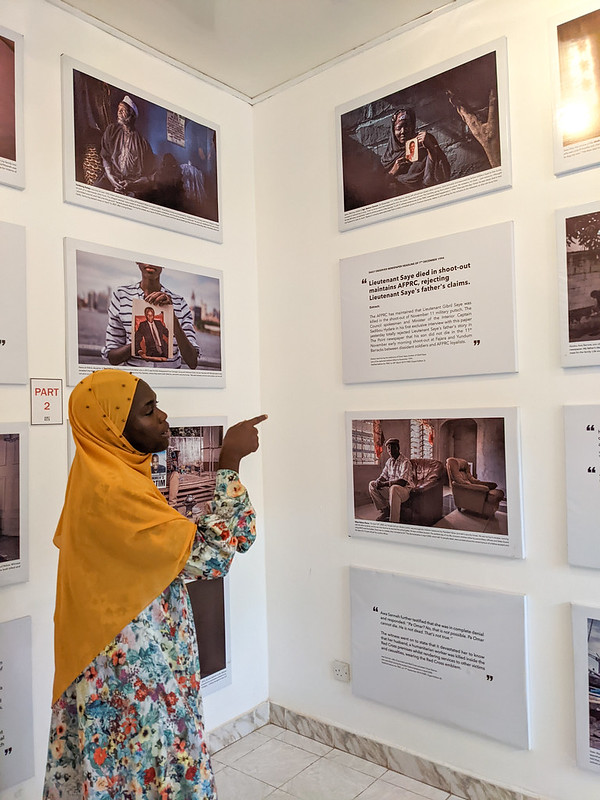
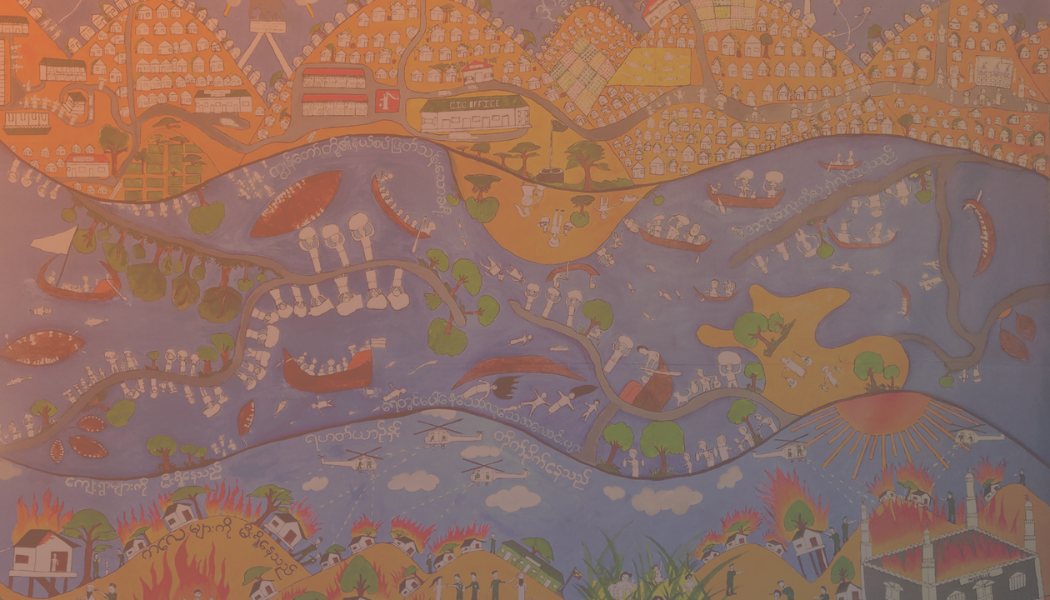
Founded in 2014 by the International Coalition of Sites of Conscience, the Transitional Justice (TJ) Consortium was built on a simple but powerful conviction: that lasting peace cannot be imposed from the outside. It must be built from within by the communities who lived through the violence, led by the civil society organizations that never left, and grounded in the histories that demand to be told.
What We Do
The TJ Consortium is led by organizations working across some of the world’s most complex post-conflict environments. Together, we bring complementary expertise across law, forensic science, documentation, memorialization, and community engagement to bear on the critical work of accountability and reconciliation.
The Consortium is designed and operates as a rapid response mechanism. Unlike traditional programming cycles that can take months or years to mobilize, the Consortium deploys targeted interventions as new accountability opportunities or threats emerge. This speed is made possible by three things: an active network of trusted partners with deep regional expertise; an established network of local civil society organizations in over 76 countries who are already embedded in their communities; and a flexible, modular program design that can be quickly adapted to the specific needs of any context.
This capacity to move quickly without sacrificing depth, local ownership, or survivor-centered practice is what makes the Consortium uniquely positioned to respond to accountability needs as they arise.
Since our founding, the Consortium has:
- Engaged 760 local civil society organizations across 76 countries
- Documented over 7,460 survivor narratives of atrocity and abuse
- Supported 588 community-designed accountability projects through micro-grants and mentorship
- Published 41 toolkits, reports, and guidelines for survivor-centered practice
- Produced 11 policy papers informing international accountability frameworks
Our Approach
Locally led. We believe that the people most affected by conflict are also the most capable of leading the response to it. Every Consortium program is designed with local communities. We prioritize local civil society organizations as the primary actors, providing the financial, technical, and mentorship support they need to lead their own truth, accountability, and reconciliation processes.
Holistic. Accountability is not only a legal question. It encompasses truth-telling, memory, healing, documentation, forensic investigation, and the rebuilding of trust in civic institutions. The Consortium brings all of these disciplines together in a single, integrated approach ensuring that no dimension of a community’s experience is left unaddressed.
Survivor-centered. Survivors are not passive recipients of our programs. They are partners, experts, and leaders. From the design of needs assessments to the implementation of community projects, survivor voices shape every stage of our work.
Healing-centered. We recognize that pursuing accountability can itself be a demanding and painful process. The Consortium integrates mental health and healing support into all of its programs — ensuring that the pursuit of justice does not come at the cost of those seeking it.
Where We Work
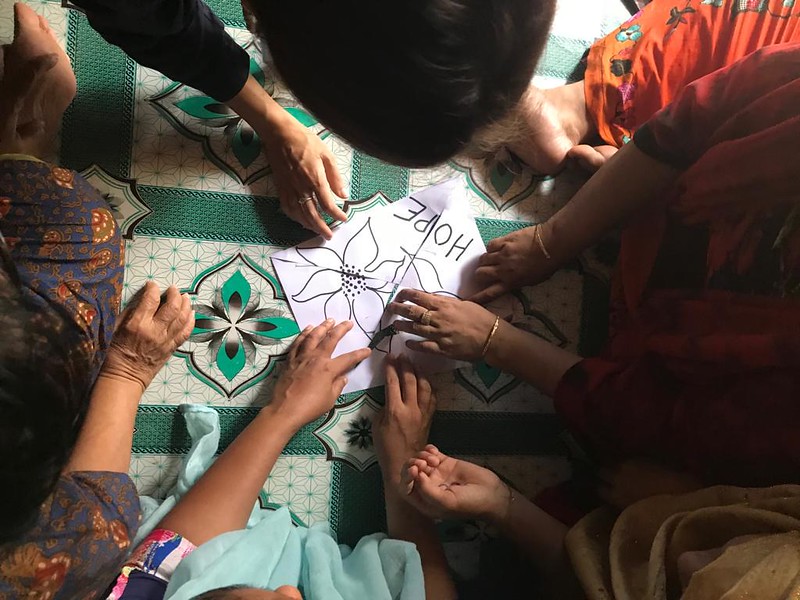
The TJ Consortium operates across Africa, Asia, the Balkans, the Caribbean, Europe, Latin America, and the Middle East. Our partners bring deep regional expertise and established community relationships that allow us to move quickly when accountability opportunities arise and to sustain long-term engagement where it is needed most.
Current and recent areas of focus include Colombia, Sri Lanka, South Sudan, Sudan, Guinea, the MENA region, and Bangladesh.
Why It Matters
The gap between the scale of atrocity in our world and the reach of formal justice mechanisms has never been wider. International courts and tribunals do essential work but they cannot reach every community, elevate every voice, or address every dimension of what survivors need to move forward.
The Consortium exists to close that gap. Not by replacing formal justice, but by complementing it ensuring that accountability is not only handed down from above, but built up from below, in the places and among the people who need it most.
Because when communities are given the tools, the support, and the platform to seek truth and accountability on their own terms, they do not just recover from the past. They build something better in its place.