
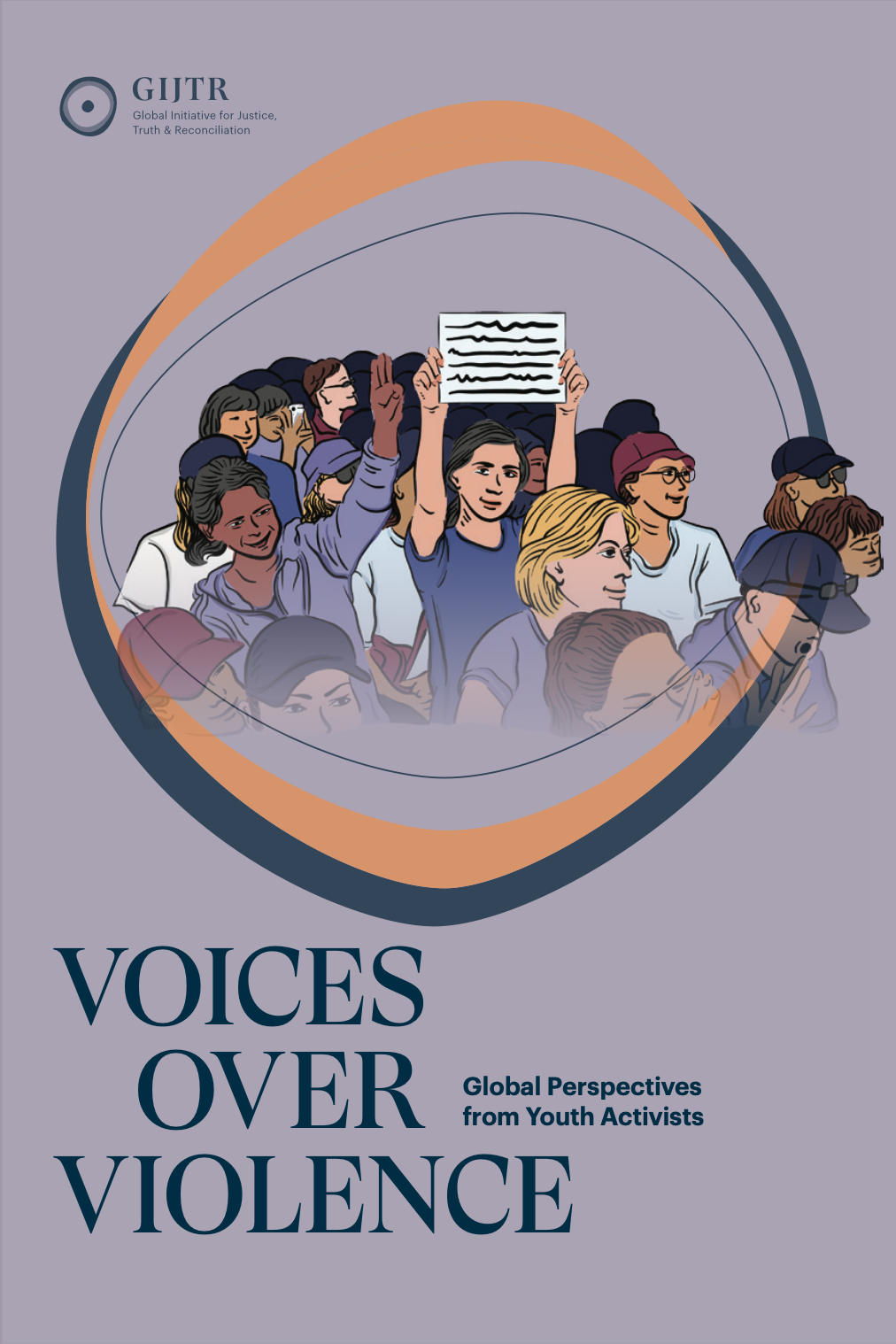
This toolkit is a product of the Centering Young Activist Voices in Atrocity Prevention project implemented by the Global Initiative for Justice, Truth and Reconciliation (GIJTR). In January 2021, GIJTR partners International Coalition of Sites of Conscience (ICSC), Asia Justice and Rights (AJAR), and Humanitarian Law Center (HLC) initiated a Youth in Atrocity Prevention Working Group, selecting 10 young activists from Afghanistan, Côte d’Ivoire, Indonesia, the Philippines and Serbia to participate in trainings, carry out interventions focused on atrocity prevention through a transitional justice framework, and identify common early warning signs that often precede mass human rights violations. Following a series of virtual trainings, each member of the working group was awarded $3,500 to design and implement a community project that creates space for youth to lead as active agents of atrocity prevention, and to operationalize their understanding of atrocity prevention and transitional justice concepts. The outcomes and lessons learned from those small projects are further detailed in the following chapters of this toolkit, all authored by the young activists themselves, and provide strategies for replication and adaptation that other youth activists can apply in their own contexts.
This toolkit seeks to address a growing gap between the knowledge produced about youth and their role in atrocity prevention, and the actual knowledge production process. Youth are rarely provided with tangible opportunities to use their experiential knowledge to produce literature on the subject of youth engagement in atrocity prevention and transitional justice. Too often they are consulted but not brought into the decision-making process of how their contributions are then communicated. The community projects undertaken by members of GIJTR’s Youth in Atrocity Prevention Working Group, as well as the contents of this toolkit, are a testament to the wealth of knowledge and expertise youth have. Beyond detailing youth-driven strategies for engagement in atrocity prevention, the development of this toolkit was highly participatory, ensuring that each member of the working group was engaged at every decision-making point. From the toolkit’s title, to the chapter themes, to the illustrations, every decision was made by the working group members themselves.