
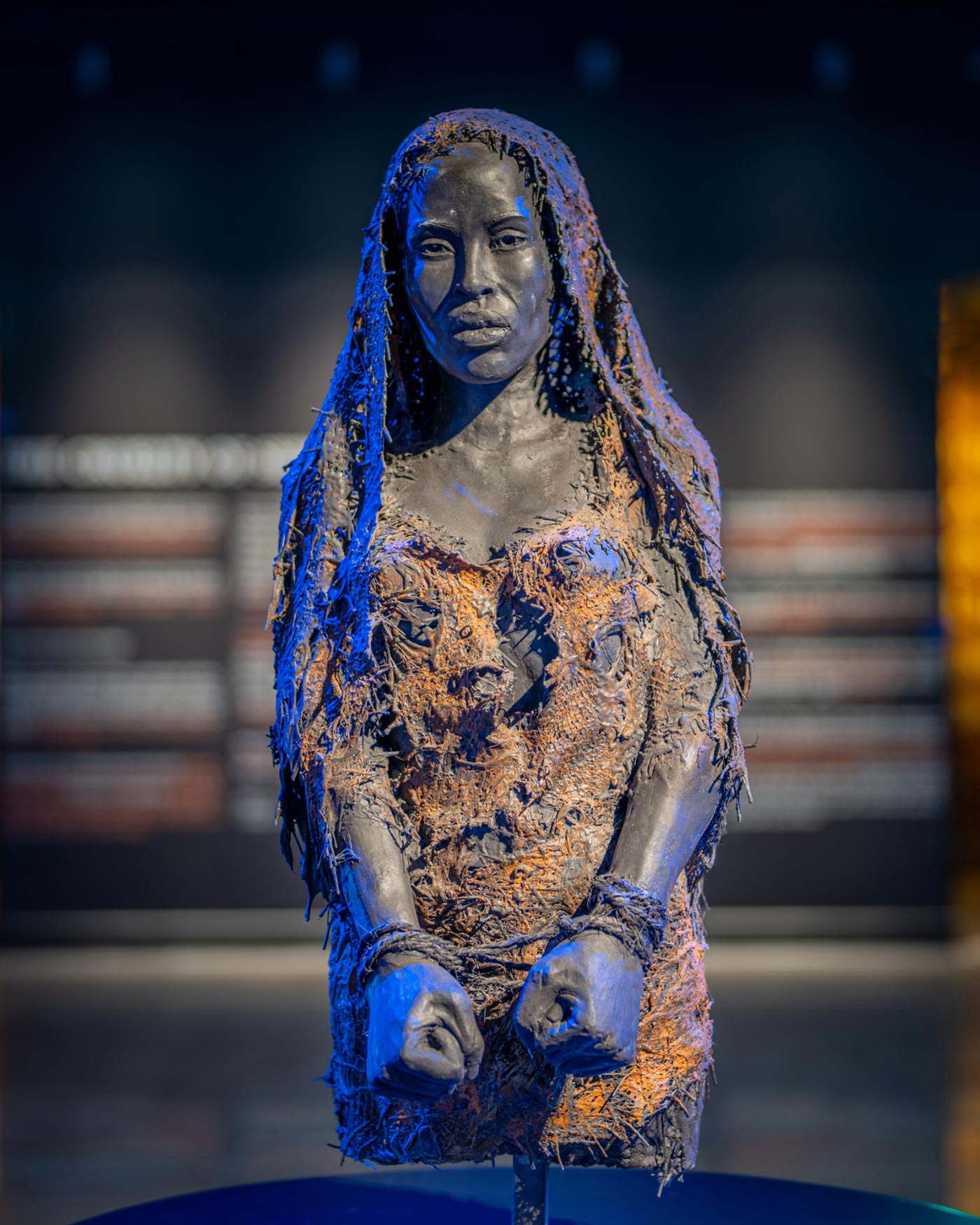

Founded in 1989 by Bryan Stevenson, the Equal Justice Initiative (EJI) is a nonprofit organization dedicated to providing legal representation to those illegally convicted, unfairly sentenced, or abused in state jails and prisons. EJI challenges the death penalty, excessive punishment, and provides re-entry assistance to formerly incarcerated individuals.
Committed to changing the narrative about race in America, EJI works with marginalized communities. The organization produces groundbreaking reports, an award-winning calendar, and short films exploring racial injustice. In 2018, EJI opened the Legacy Museum and the National Memorial for Peace and Justice to address the legacy of slavery, lynching, and racial segregation.
EJI also provides research and recommendations for criminal justice reform and publishes educational materials. The staff conducts tours and presentations for thousands annually, fostering reflection and dialogue on the nation’s history and its impact on current issues. Through these efforts, EJI connects the past to the present, inspiring a commitment to justice and equality.