
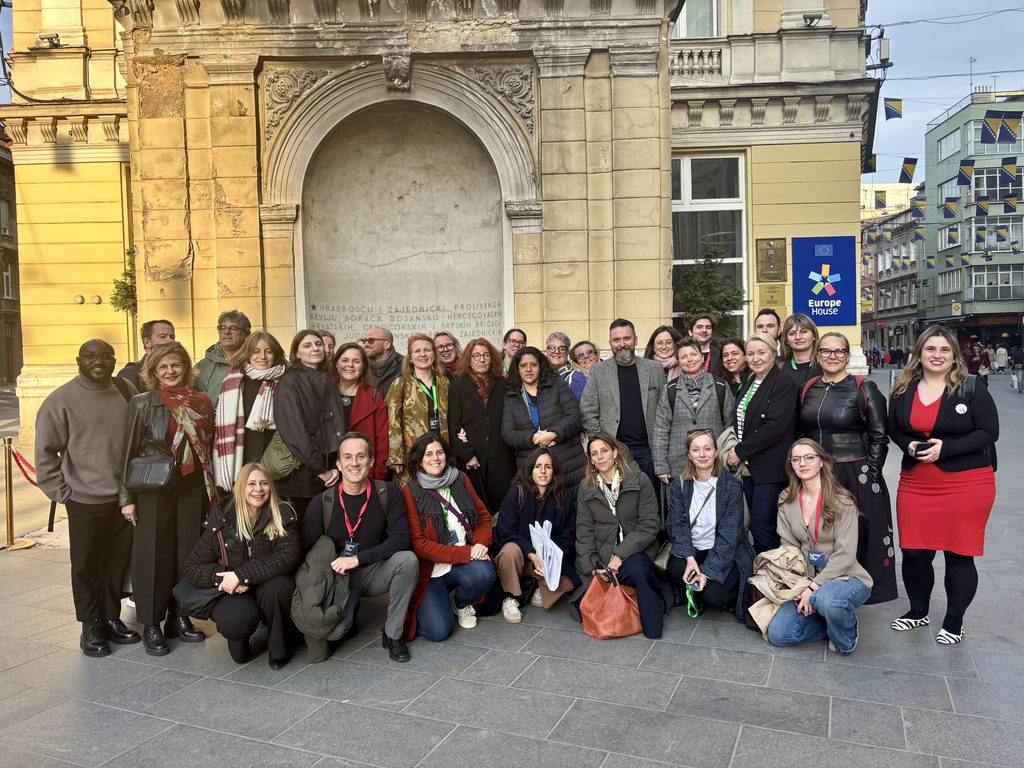
Sarajevo · 24–25 March 2026
Closing the Gaps
A two-day roundtable on what it takes to turn remembrance into prevention
Read the press release here.
For decades, European states have invested in remembrance, historical education, commemoration, and memorialization with the belief that remembering Europe’s violent past could contribute to lasting peace, democratic resilience, and violence prevention.
Yet the present rise of revisionism, hate speech and all forms of racism across Europe – and the repeated failure of the “never again” commitment in the face of Srebrenica, Rwanda and Gaza – does not expose failures of awareness but a structural failure of memory policies as a preventive tool.
On 24–25 March 2026, the International Coalition of Sites of Conscience (ICSC), the War Childhood Museum (WCM), and the International Catalan Institute for Peace (ICIP) convened Closing the Gaps, a multi-stakeholder roundtable in Sarajevo to reflect on the gaps between the intention of current memory frameworks in Europe and their actual impact.
Building on the reflections, conversations and insights from those two days, ICSC and partners developed a report that examines the challenges facing memory policies and practices in Europe and points to some of the shifts the field needs to make to actually operationalize “never again”.
- From institutional bias to inclusive memory governance. Inclusive public memory requires more than adding marginalized perspectives to existing frameworks. It demands reconsidering the assumptions, priorities, and institutional structures that determine what is remembered and how.
- From passive remembrance to participatory and transformative memory. Emotional exposure to past suffering does not, on its own, change behaviour. Memory work must become an active civic practice through which people connect the past to their present realities and develop the capacity to act on what they find.
- From polarised or consensual memory to dialogic memory. Memory work can be weaponized to deepen divisions, but calls for reconciliation can also obscure unresolved tensions and injustices.The report invites a reimagining of memory practice as a process that creates space for communities to engage honestly across difference, building shared understanding and trust without flattening the complexity of their histories.
- From depoliticized remembrance to accountable memory. Memory must address the structures and power relations that made violence possible. As the report states,, memory that avoids root causes “cannot prevent the recurrence of violence; it commemorates it”.
- From silos to integrated prevention frameworks. Memory must be deliberately integrated into national violence strategies, foreign policy frameworks, and development policies – not as a cultural add-on, but as a core component of violence prevention architecture.
Check out the report below – and the recommendations it offers for the field.
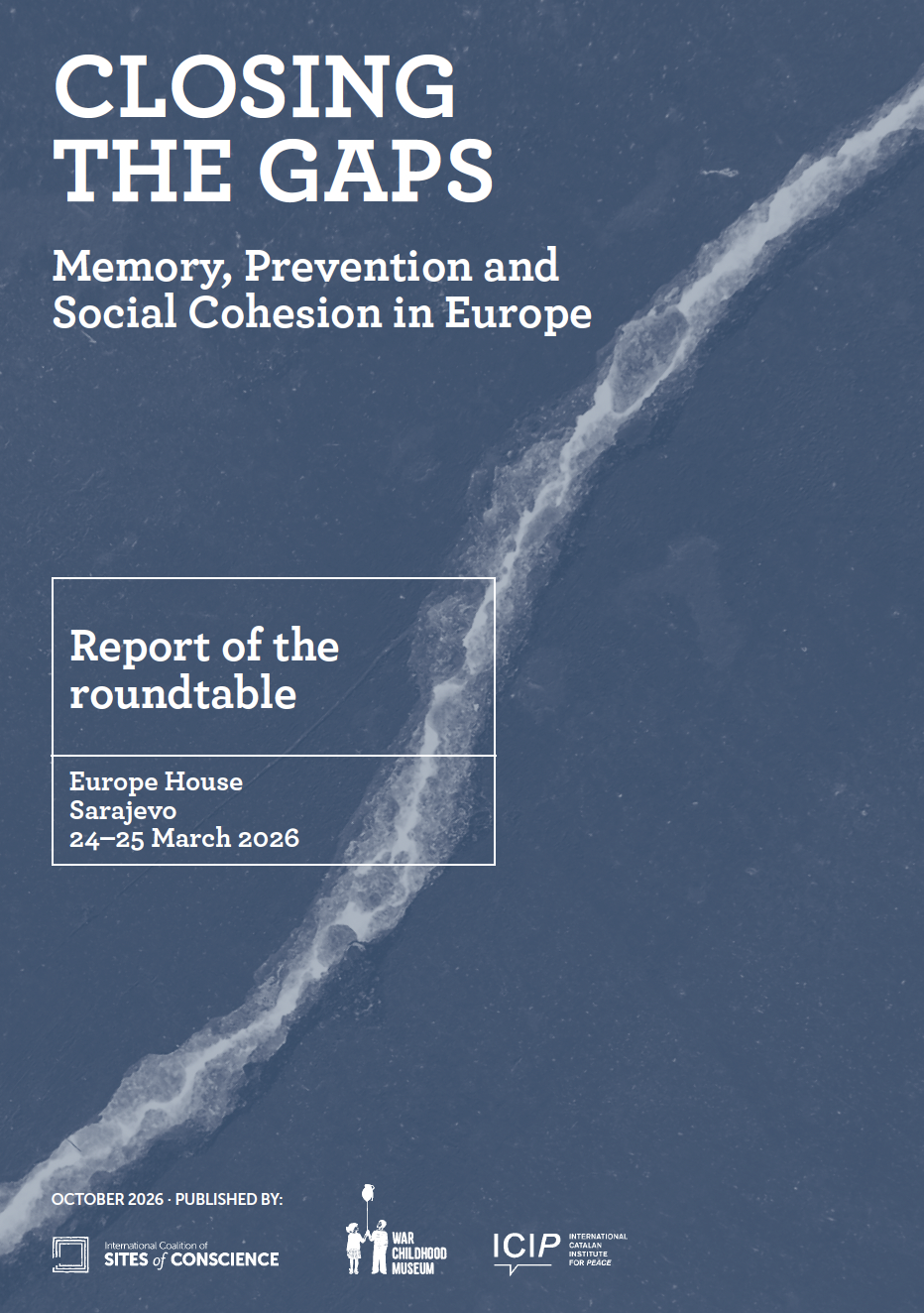
To read the full version of this report, click here.
For a concise overview of the report’s key findings and recommendations, read the executive summary here.