
African Regional Network
The African Sites of Conscience Network strengthens programs at sites in countries emerging from recent conflict as well as sites remembering histories of colonialism and slavery. Members from East, Central, Southern, and West Africa collectively work towards resilient, democratic, accountable, inclusive and united societies, that own, learn from, and are inspired by the past to promote dialogue and social cohesion. As a Network, they advocate for equal access to education, human rights, and justice with the goal to achieve harmony, human dignity, and peace. Other specific goals include:
- Preserve the memory of periods of conflict, violence and human rights violations and explore their consequences on today’s society;
- Use memory and memorialization to contribute to democracy-building, peacebuilding and reconciliation processes;
- Work with the public to ensure respect for human rights and prevent gross human rights violations for future generations.
Regional Members
-
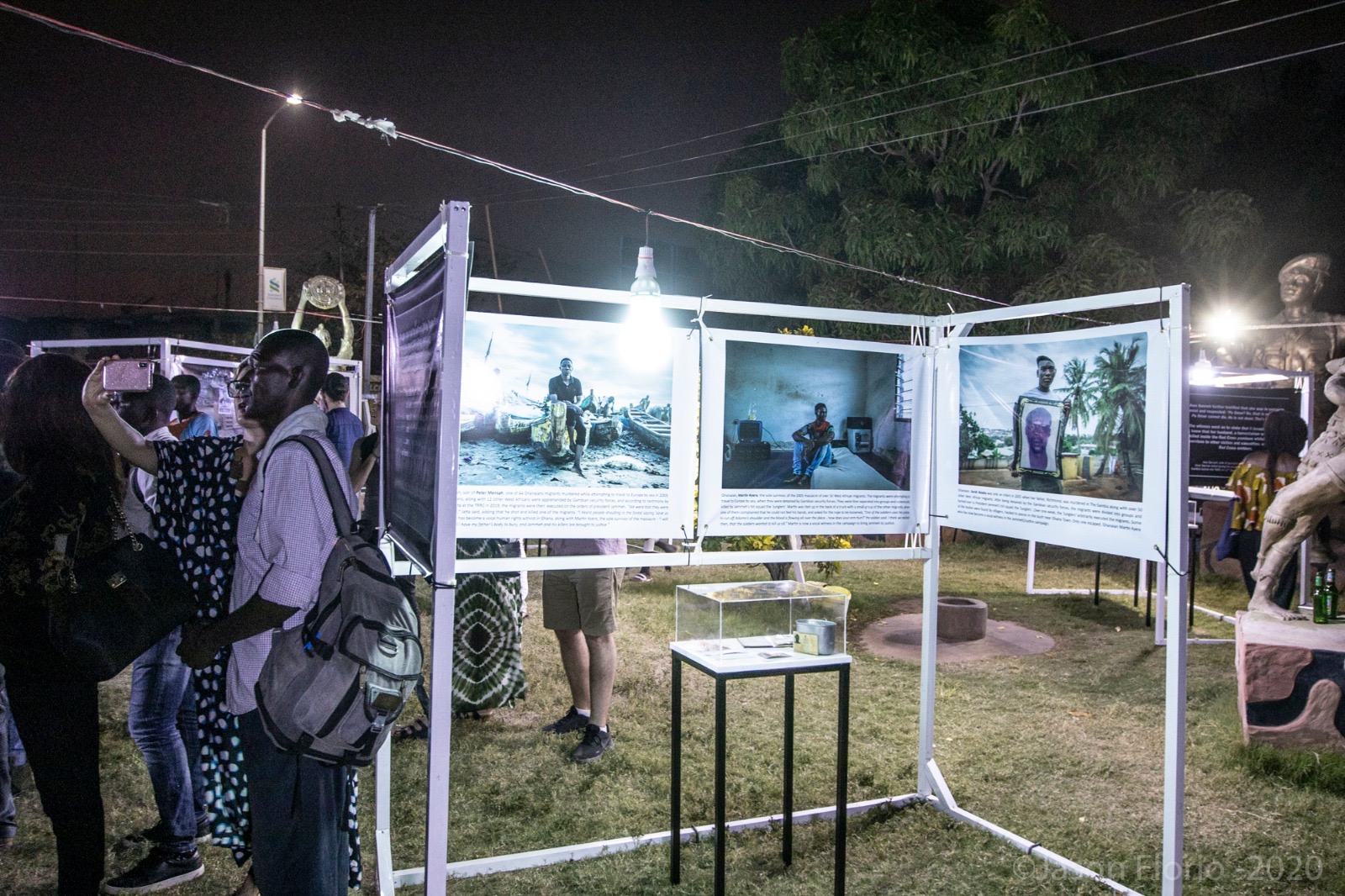
The African Network Against Extrajudicial Killings and Enforced Disappearances (ANEKED) – The Gambia
Led by young African human rights activists, the African Network Against Extrajudicial Killings and Enforced Disappearances (ANEKED) campaigns against forced disappearances and summary executions. The organization is guided by the belief that every human being on the African continent has the right to life, liberty, security, and work to ensure that the sanctity of these…
-
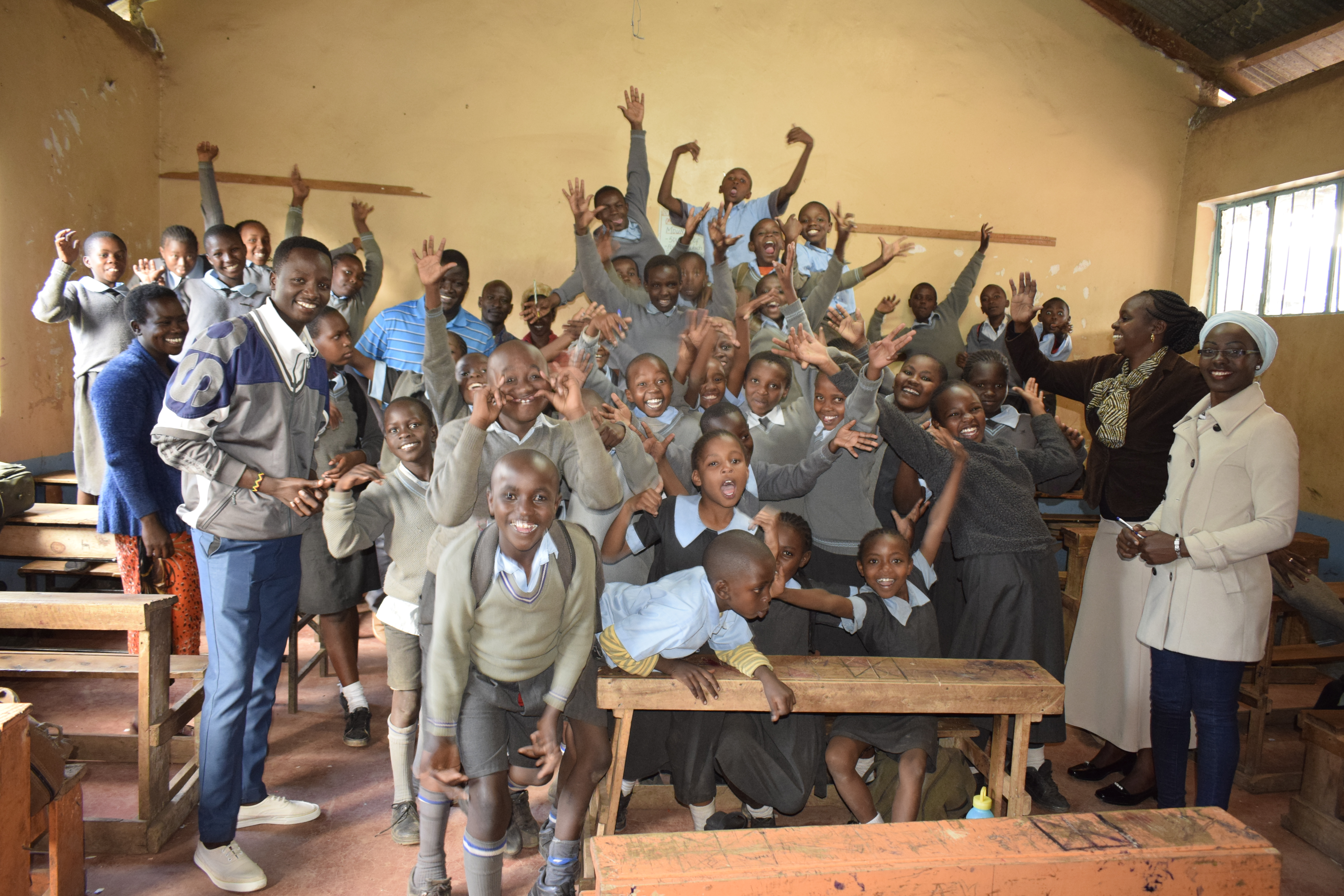
Manene Cultural Trust – Kenya
The Manene Cultural Trust, based in Nairobi, Kenya, aims to promote peace and social cohesion through memory initiatives and engagement with traditional cultural practices. The Trust champions intergenerational and cross-cultural dialogue by honoring people’s wisdom, relationships, health, good values, and cultural practices that enhance peaceful co-existence. Specifically, it hosts dialogues on social issues, creates cultural…
-

National Centre for Arts and Culture – The Gambia
The National Centre for Arts and Culture (NCAC) is a semi-autonomous institution established by an Act of Parliament in December 1989 to preserve, promote and develop Gambian arts and culture. In this context, Gambian culture is characterized by heterogeneity and diversity. As Gambia subscribes to most of the UNESCO culture conventions, the Centre’s activities aim…
-
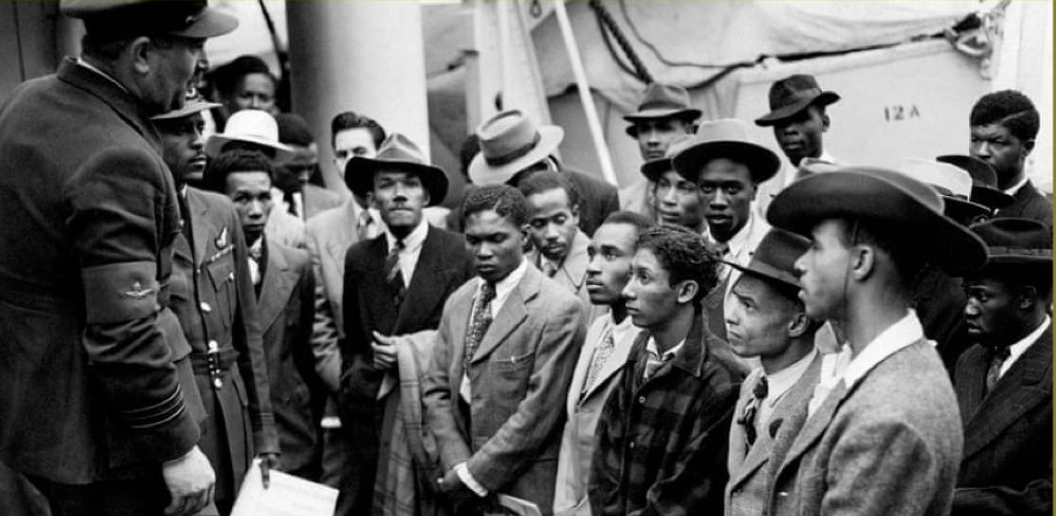
Museum of British Colonialism – Kenya/United Kingdom
The Museum of British Colonialism is a collective based in Kenya and the United Kingdom founded to communicate a more truthful account of British colonialism. The museum’s pilot project focuses on documenting sites and experiences relating to the Mau Mau Emergency in Kenya (1952 – 1960), one of the most brutal – and least known…
-
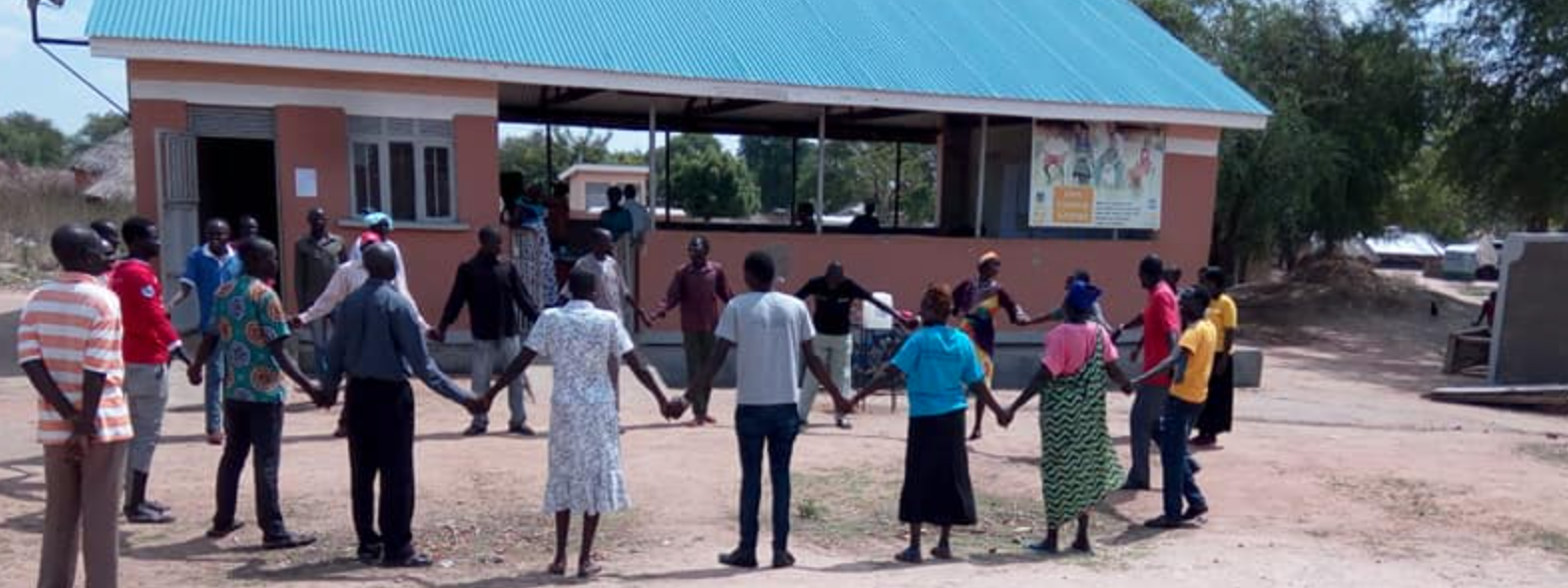
Global Society Initiative for Peace and Democracy (GLOSIPAD) – Uganda
The Global Society Initiative for Peace and Democracy (GLOSIPAD) is a non-governmental, non-partisan, South Sudanese civil society organization, which was established and registered under both the Uganda NGOs Act in 2016 and the South Sudan NGOs Act in 2018. GLOSIPAD supports peace building and conflict mitigation initiatives, advocates for human rights, facilitates the sharing and…
-
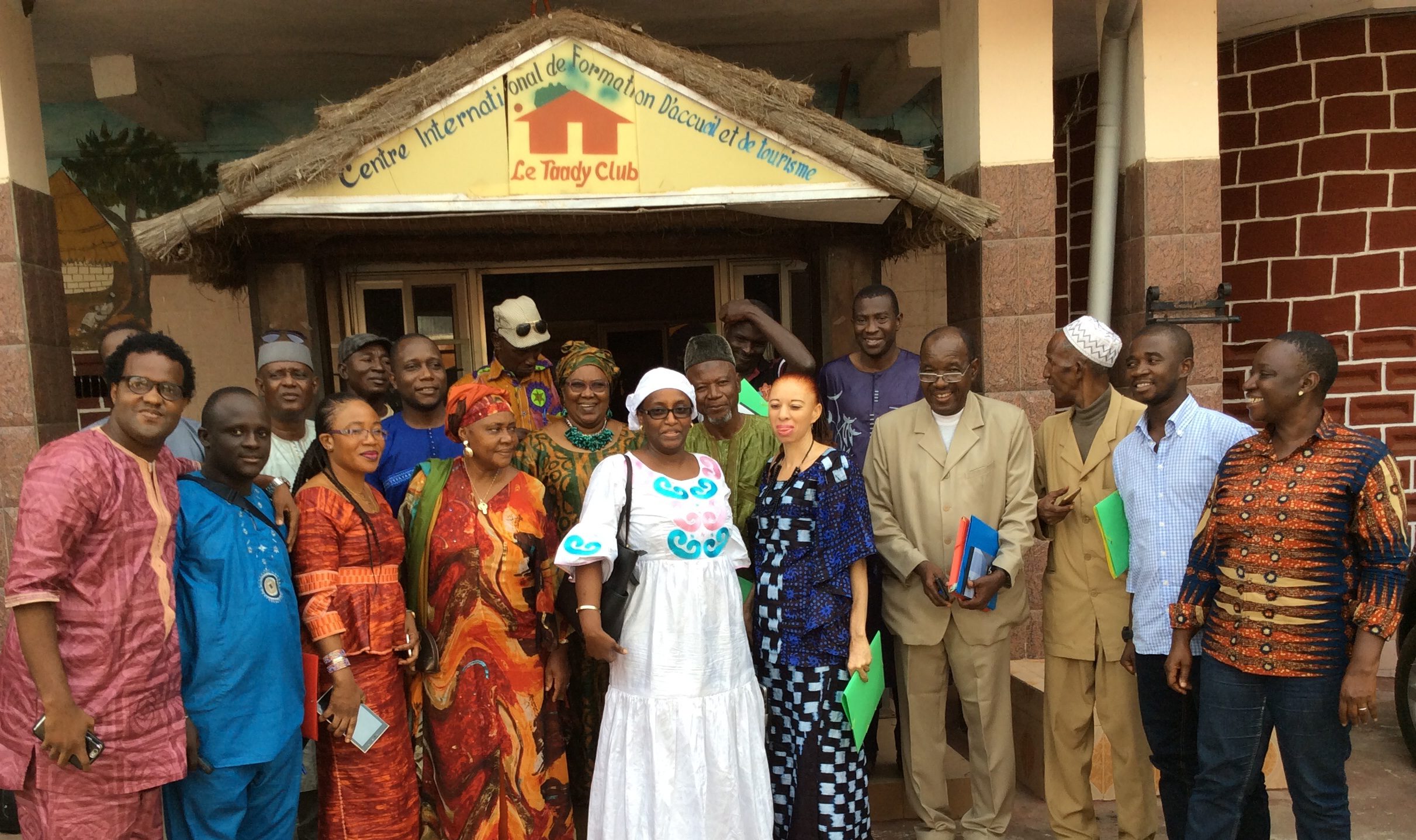
Guinean Organization of Human Rights (OGDH)
Founded in 1990, the Guinean Organization for the Defense of Human Rights and the Citizen (OGDH) is a non-governmental organization independent of public authorities and any political or doctrinal movement. Its purpose is to make known, to promote and defend the fundamental rights and freedoms of man, of all men, without discrimination or exclusion. The…
-
Association des Victimes, Parents et Amis du 28 Septembre 2009 – Guinea
On September 28, 2009, thousands of pro-democracy protesters gathered in Conakry stadium to challenge the candidacy of military junta leader Moussa Dadis Camara, when soldiers opened fire with automatic weapons, leaving at least 157 dead and 110 women raped. Some women were forcibly taken to military camps and then enslaved for days. In its December…
-
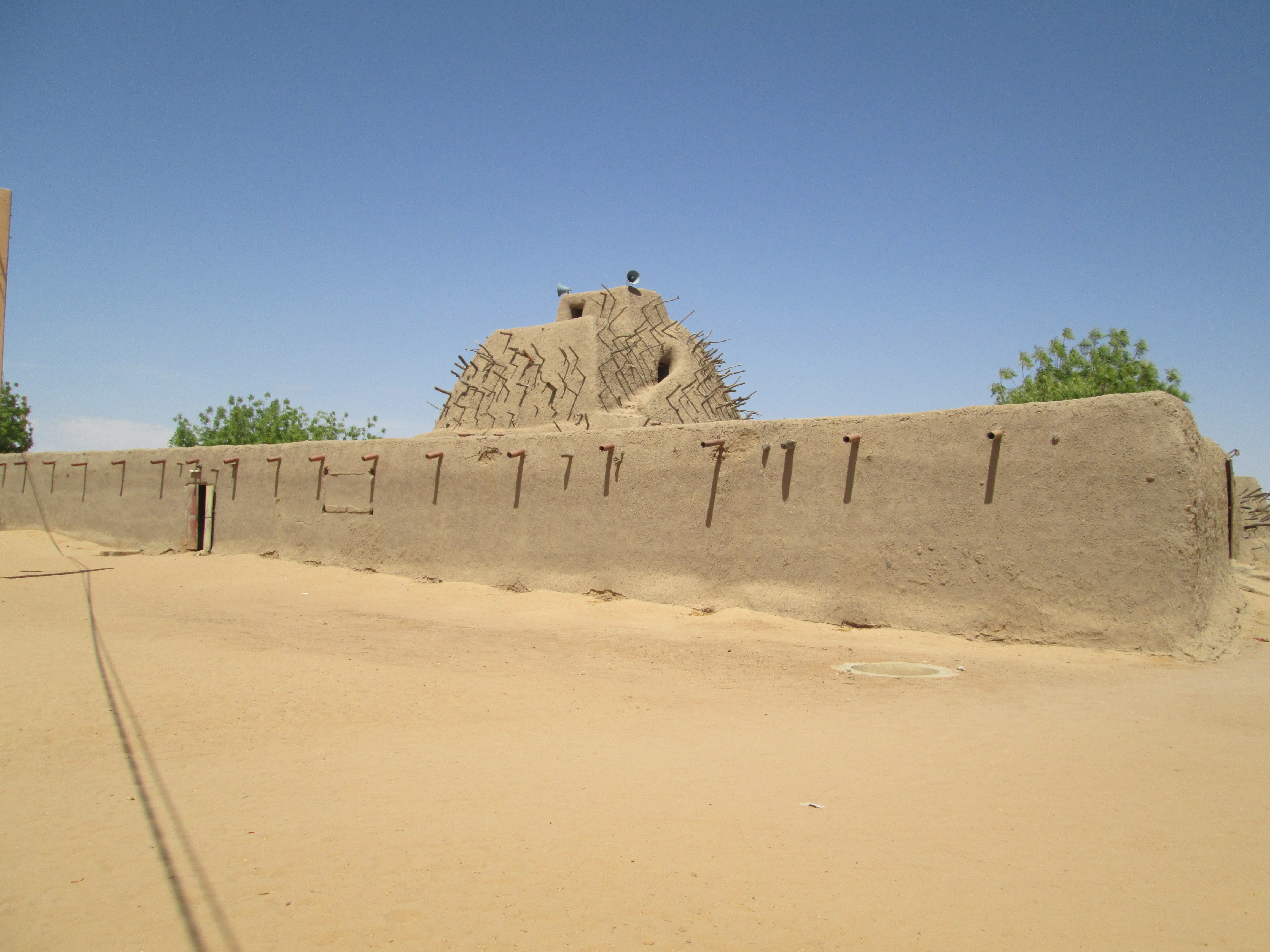
Tomb of Askia – Mali
A UNESCO World Heritage Site, the Tomb of Askia was built by Askia Mohamed, the Emperor of Songhai, in 1495. Today, its mission is to collect, preserve, and disseminate information related to its historical, archeological, ethnographic, and contemporary heritage. The site also aims to bring more awareness to its history for tourism and educational purposes…
-
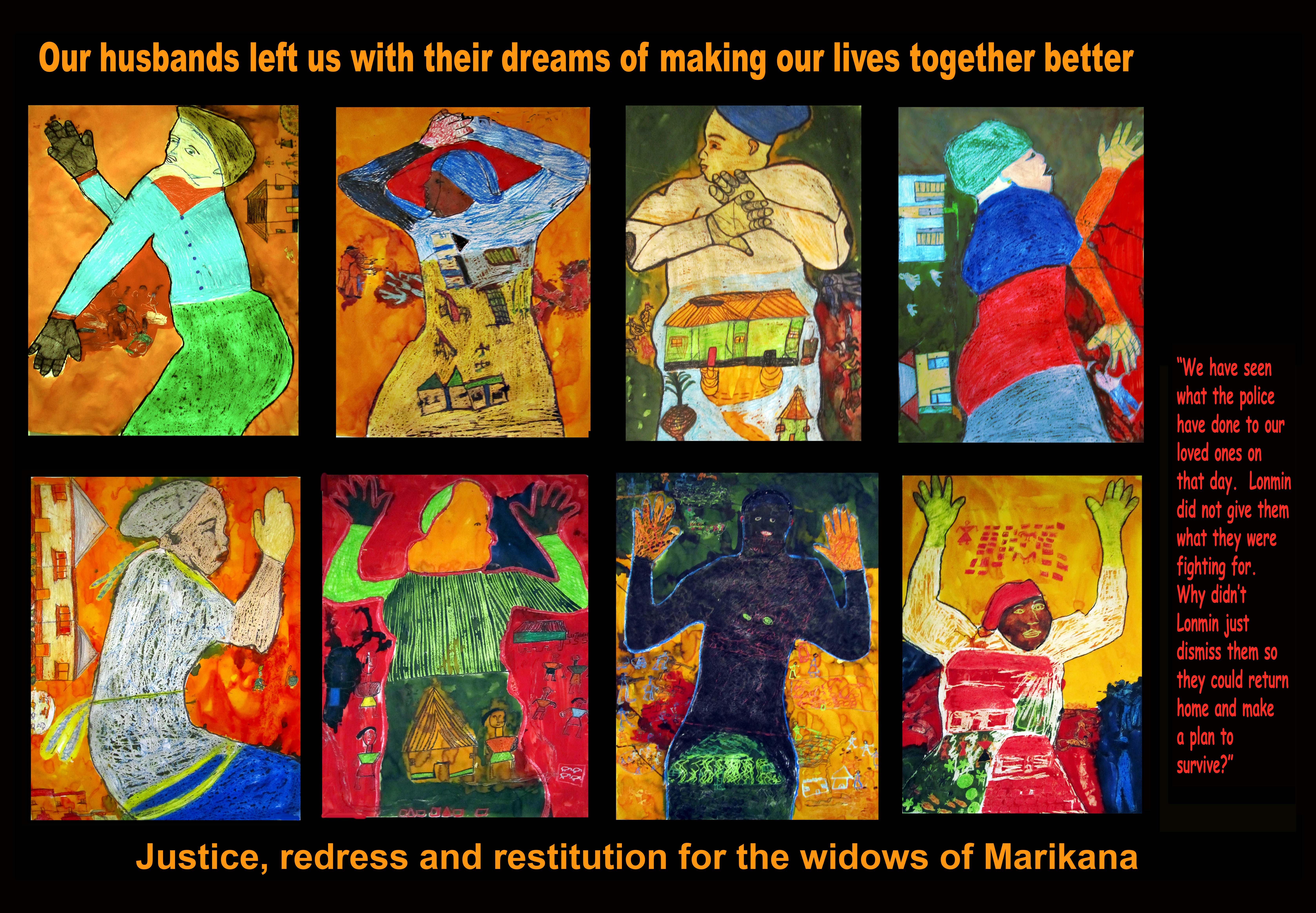
Khulumani – South Africa
Khulumani was founded in 1995 by women survivors of apartheid’s gross human rights violations at a time when the Truth and Reconciliation Commission (TRC) in South Africa was being debated in Parliament without input from or consultation with victims and survivors. During this time, Khulumani did major outreach to communities to alert them about the…
Regional Projects and Resources
[Does this come before or after the member list? Will this list be pulled in as tagged resources? Currently, these are all resources tagged with “Africa”, and the “Browse All Resources” button links to the search page with “Africa” preselected.]
-
Toolkit
LET US SIT DOWN AND TALK
Africa, Dialogue, Transitional Justice, Truth-telling -
Toolkit
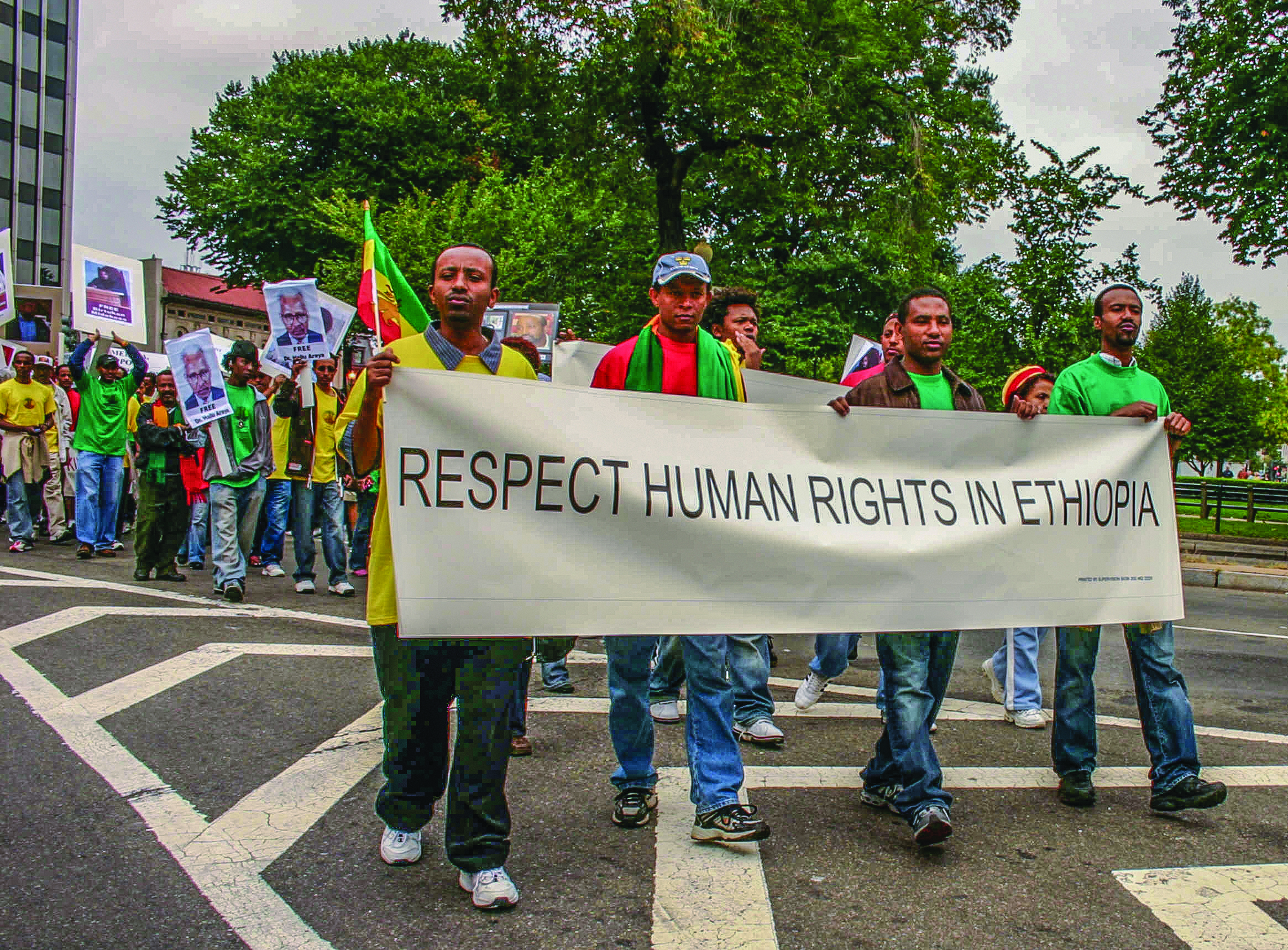
The Roles and Responsibilities of Private Sector Actors in Transitional Justice
Africa, Latin America and the Caribbean, Transitional Justice -
Toolkit
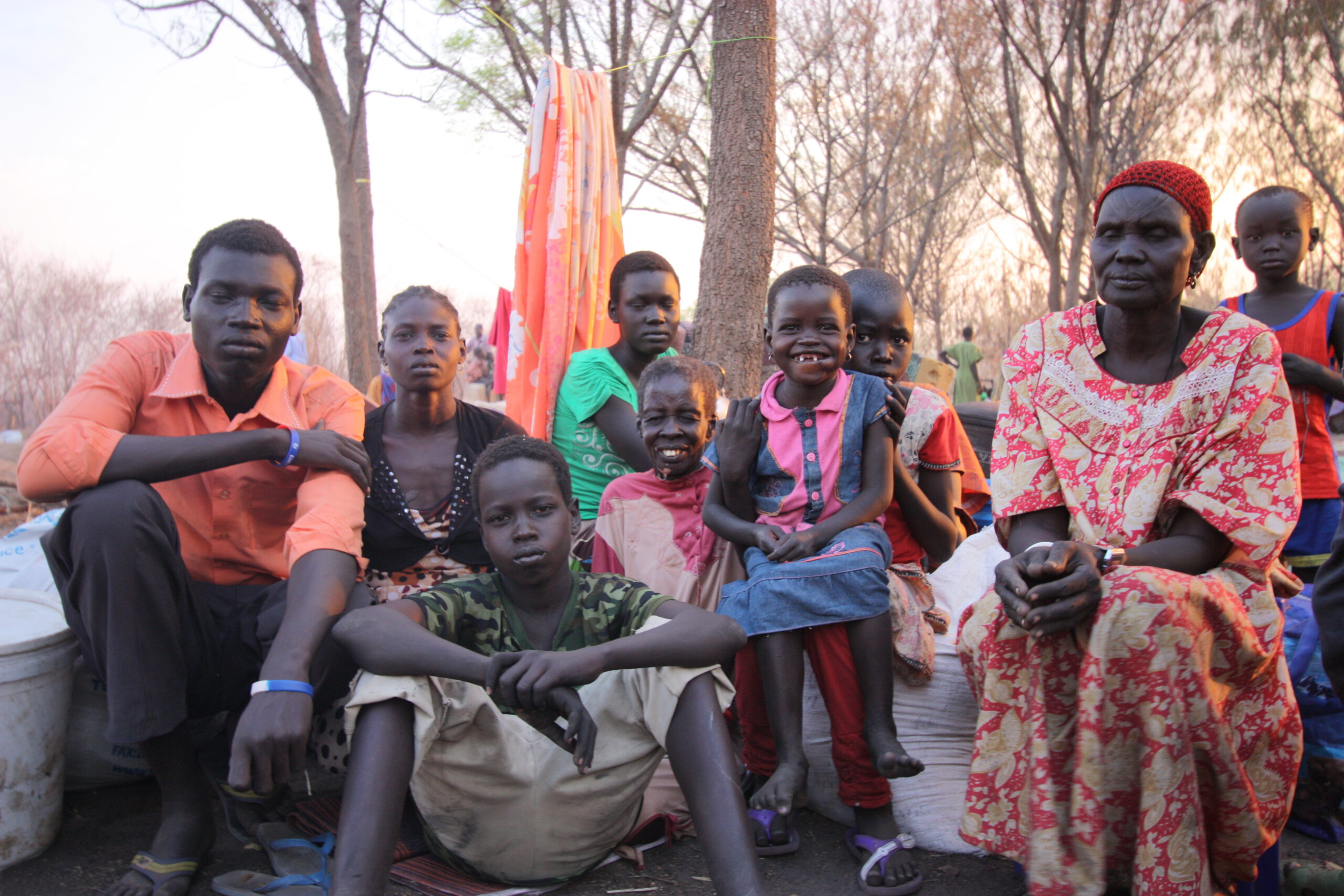
The Roles and Responsibilities of Private Sector Actors in Transitional Justice: Phase II
Africa, Latin America and the Caribbean, Transitional Justice -
Event
Member Spotlight: Single Mothers Association of Kenya
Africa, Youth -
Event
Reporting for Change: Engaging Media Outlets to Support Transitional Justice
Africa, Media, Transitional Justice -
Event
Violent Extremism and Transitional Justice Webinar
Africa, Peace Education, Transitional Justice, Violence Prevention -
Event
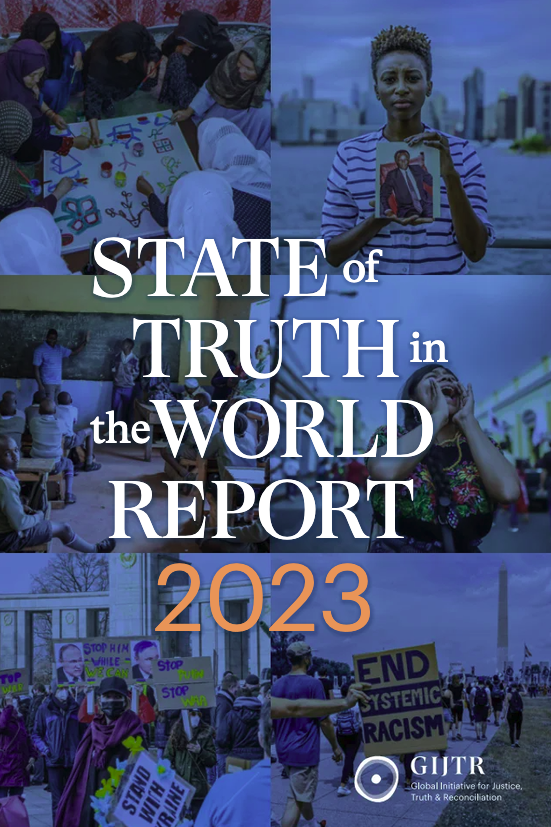
State of Truth in the World Report: Africa
Africa, Memorialization, Transitional Justice, Violence Prevention