
African Regional Network
The African Sites of Conscience Network strengthens programs at sites in countries emerging from recent conflict as well as sites remembering histories of colonialism and slavery. Members from East, Central, Southern, and West Africa collectively work towards resilient, democratic, accountable, inclusive and united societies, that own, learn from, and are inspired by the past to promote dialogue and social cohesion. As a Network, they advocate for equal access to education, human rights, and justice with the goal to achieve harmony, human dignity, and peace. Other specific goals include:
- Preserve the memory of periods of conflict, violence and human rights violations and explore their consequences on today’s society;
- Use memory and memorialization to contribute to democracy-building, peacebuilding and reconciliation processes;
- Work with the public to ensure respect for human rights and prevent gross human rights violations for future generations.
Regional Members
-
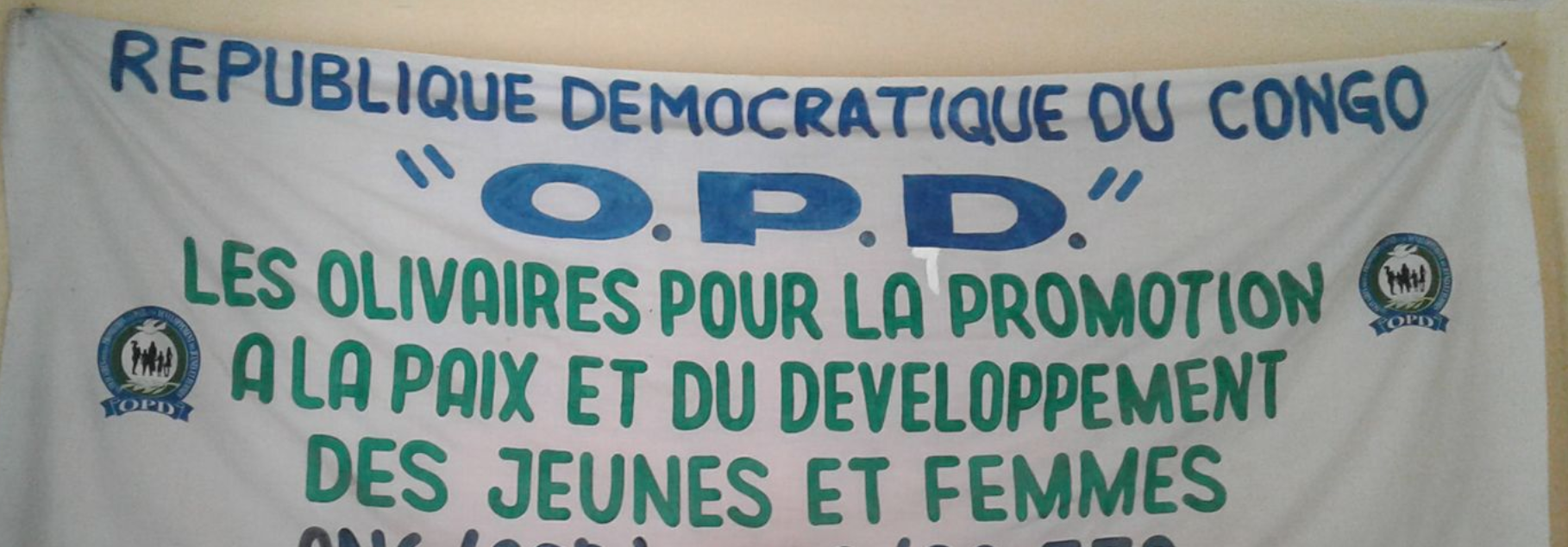
Foundation for Peace and Development – DRC
In eastern Democratic Republic of Congo (DRC), people are living with the effects of brutal ethnic wars that happened between 1999 and 2003. As a result of inequalities in terms of opportunities and the denialism on the side of perpetrators of those ethnic wars, a new ethnic war began in December 2017 and continues today.…
-
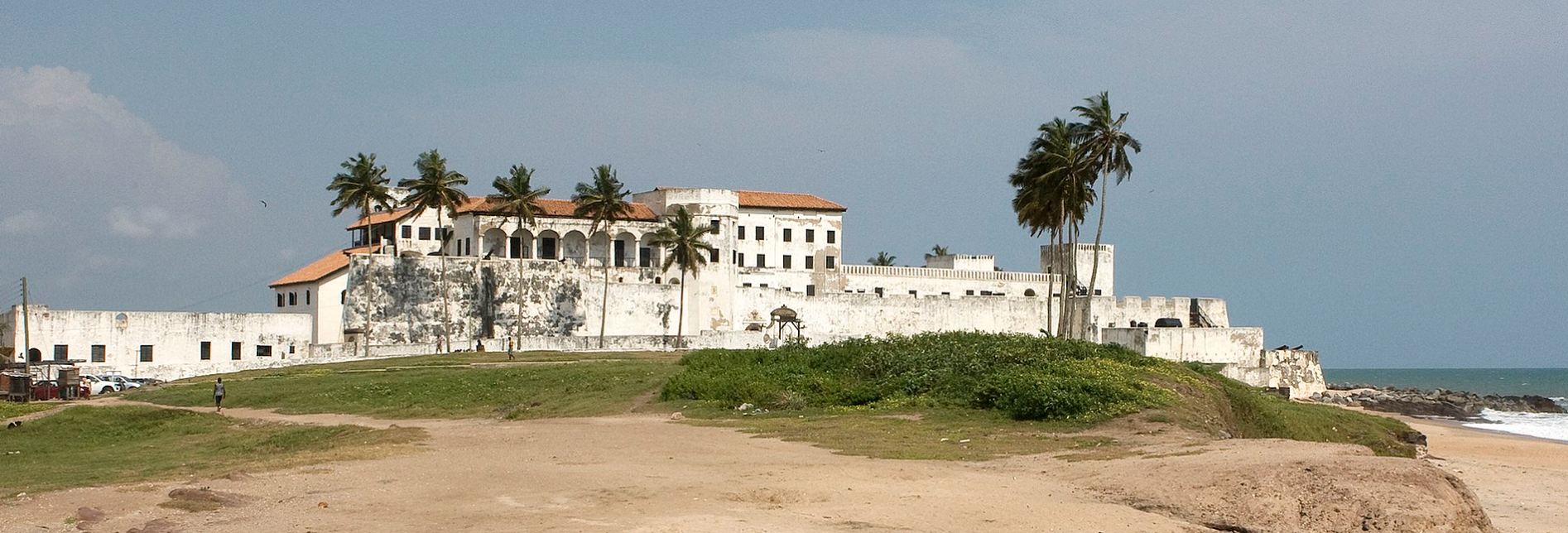
Elmina Castle – Ghana
Elmina Castle is a historical site recognized by UNESCO as a World Heritage Site. It was erected by the Portuguese in 1482 as Castelo de São Jorge da Mina (St. George of the Mine Castle), also known as Castelo da Mina or simply Mina (or Feitoria da Mina), in present-day Elmina, Ghana (formerly the Gold Coast). It was the first trading post built on the Gulf of Guinea and…
-

Intercontinental Slavery Museum – Mauritius
ISM Mauritius Ltd is in the oldest building of the island, a former Military Hospital built by French Governor Labourdonnais in 1740. The building and the surroundings bear many associations with the history of slavery. The name ‘Intercontinental Slavery Museum’ stems from a Cabinet decision following a recommendation of the Mauritius Truth and Justice Commission…
-
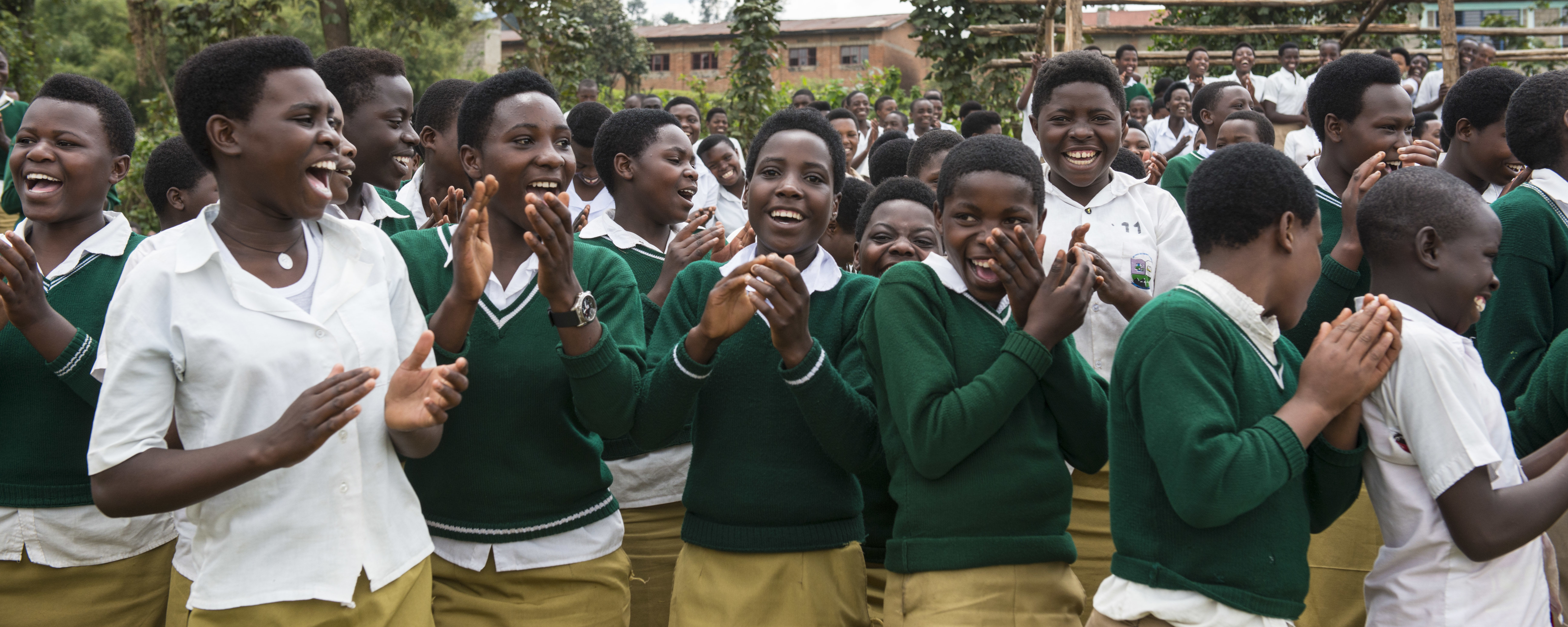
Justice Access Point – Uganda
Established in 2018, and formerly registered in 2019, Justice Access Point (JAP) was inspired by the overarching and urgent need to kick start, reignite, and re-invigorate different aspects of the stalled transitional justice process in Uganda. JAP’s objectives include: To support the realization of the national targets related to the UN Global Sustainable Development Goals,…
-
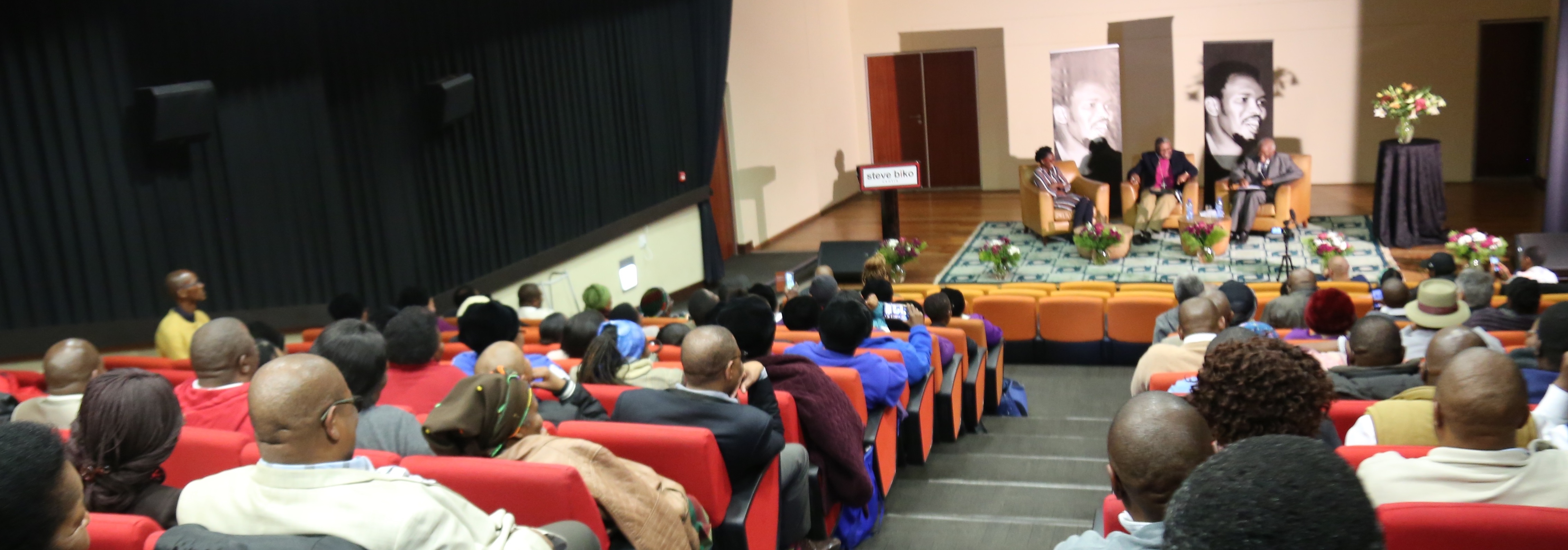
Steve Biko Foundation – South Africa
The Steve Biko Foundation is a community development organization inspired by the legacy of Bantu Stephen Biko, a South African anti-apartheid activist. The Foundation’s work aims to promote the intangible elements of development, including identity, culture and values – the issues that speak to the soul of the nation. In the coming decade, the organization…
-
Forum pour la Mémoire Vigilante, FMV – Rwanda
Established in October 2017 by Burundian refugees living in Rwanda, Forum pour la Mémoire Vigilante (Forum for Vigilant Memory) works to educate people about genocide, assist survivors and victims of this crime against humanity, and halt the spread of genocidal ideology in the Great Lakes region of Rwanda. With the contributions of members and the…
-
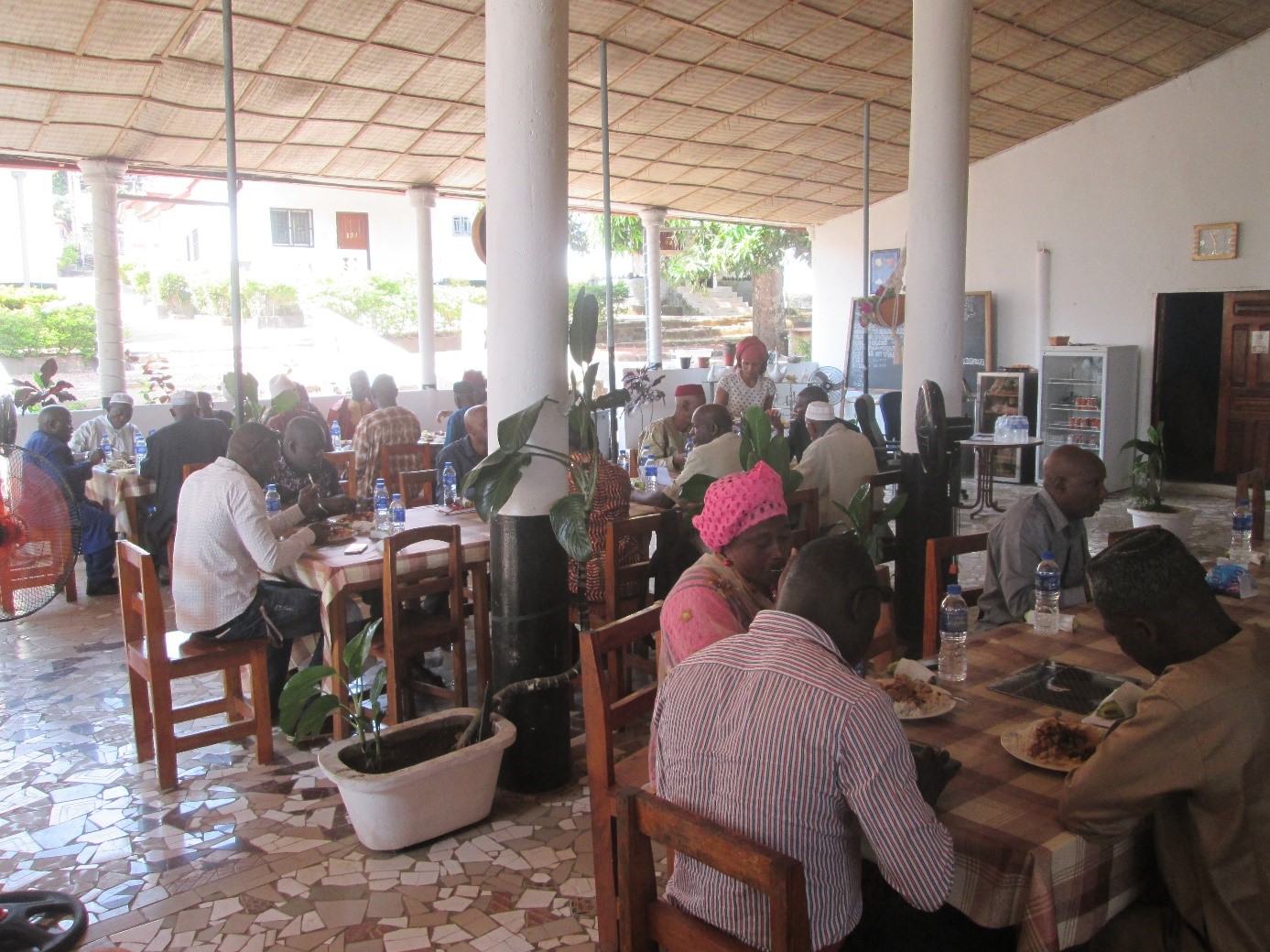
Organisation Africaine du Développement Durable et de l’Environnement (OADDE) – Guinea
Organisation Africaine du Développement Durable et de l’Environnement (African Organization for Sustainable Development and the Environment) (OADDE) is a non-governmental organization established in 2014 in Guinea. OADDE’s main objectives include the promotion of justice for all people living in Guinea, the protection and preservation of the environment, the development of equal opportunities for men and…
-
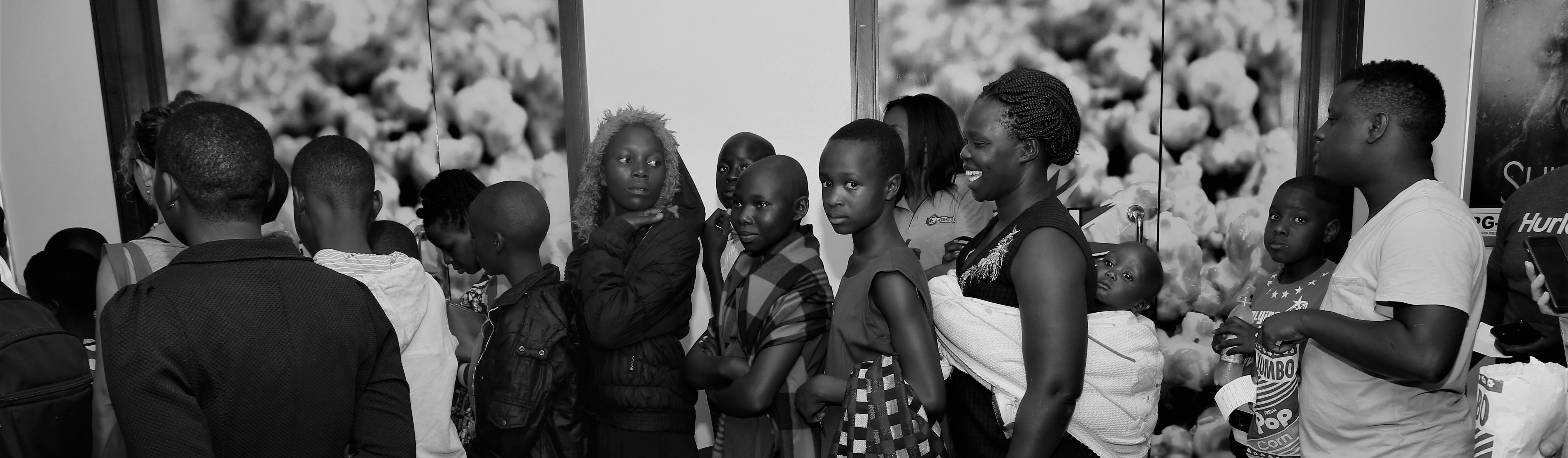
Hopelantern Space – Rwanda
Hopelantern Space is a creative space that engages local communities in Rwanda through programs that promote learning, social change, and cohesion. Hopelantern Space creates engaging artistic and creative programs in a variety of mediums such as exhibitions, screenings, conferences, films, workshops, play, talks, and other interactive activities. The main goal of the organization is to…
-
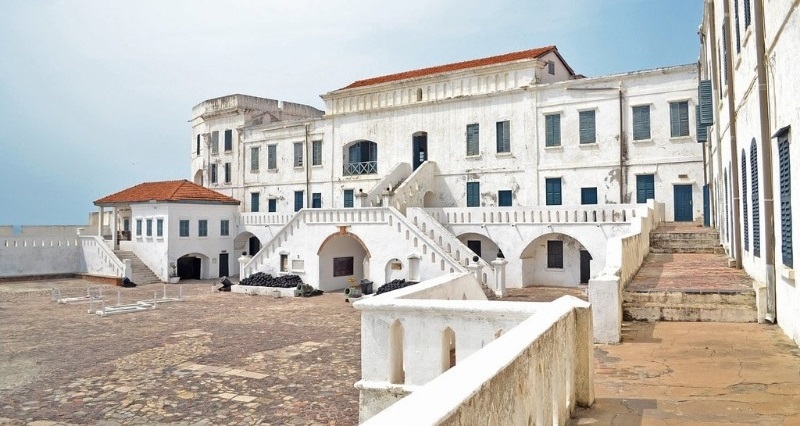
Ghana Museums and Monuments Board
The Ghana Museums and Monuments Board (GMMB) is the legal custodian of Ghana’s tangible cultural heritage, both movable and immovable. The Board was established in March 1957 – on the eve of Ghana’s independence – as a result of the merger of the then interim Council of the National Museum of the Gold Coast and…
Regional Projects and Resources
[Does this come before or after the member list? Will this list be pulled in as tagged resources? Currently, these are all resources tagged with “Africa”, and the “Browse All Resources” button links to the search page with “Africa” preselected.]
-
Toolkit
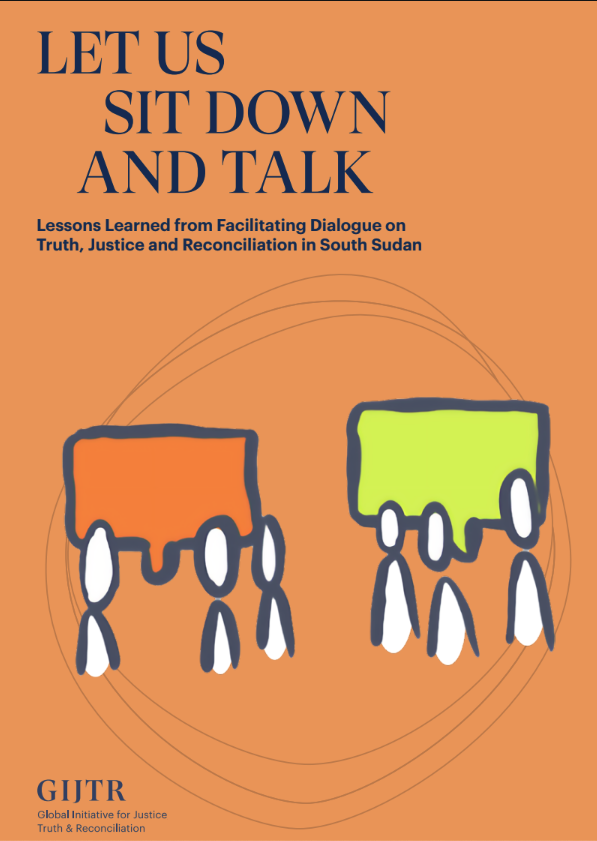
LET US SIT DOWN AND TALK
Africa, Dialogue, Transitional Justice, Truth-telling -
Toolkit
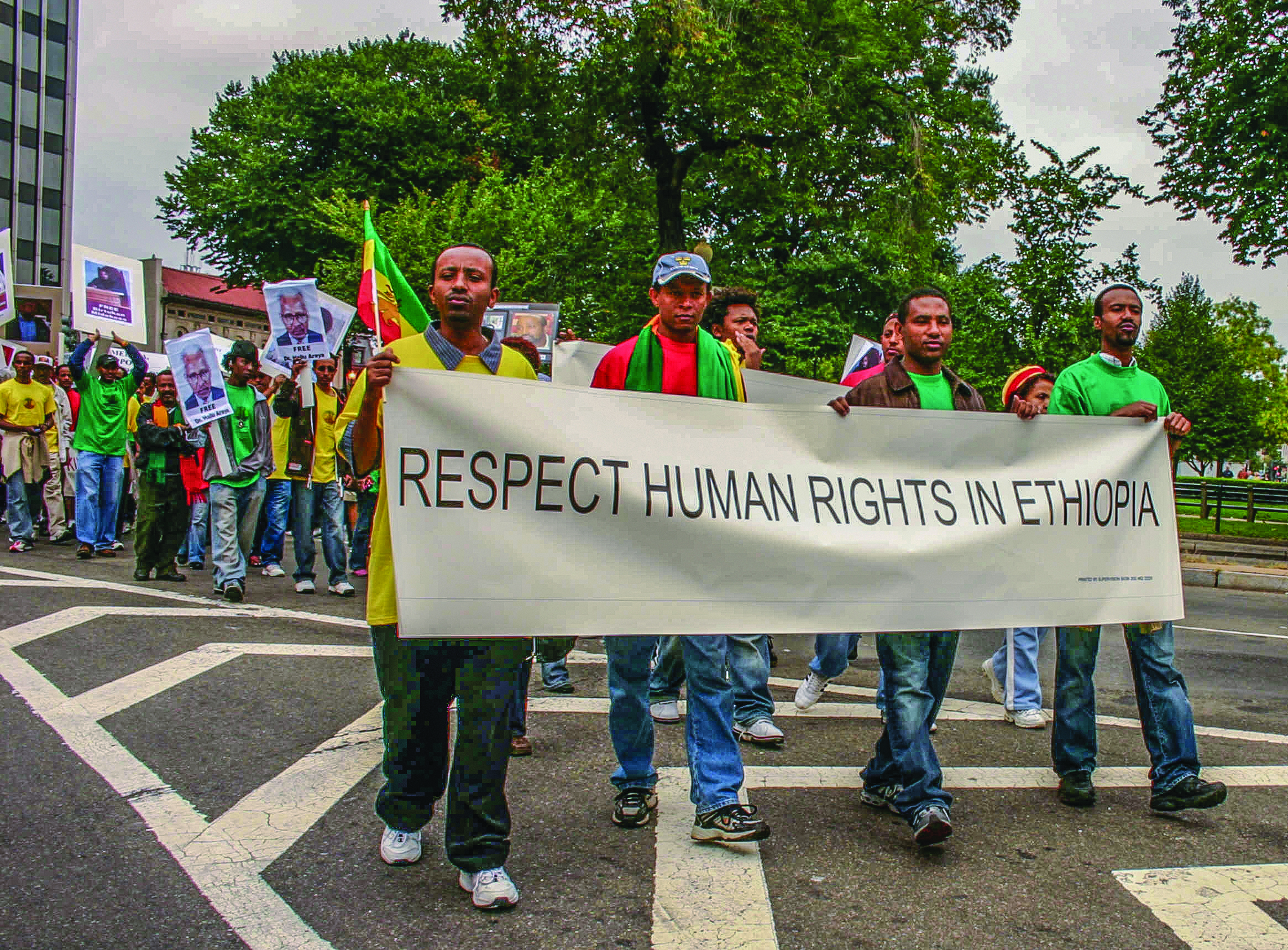
The Roles and Responsibilities of Private Sector Actors in Transitional Justice
Africa, Latin America and the Caribbean, Transitional Justice -
Toolkit
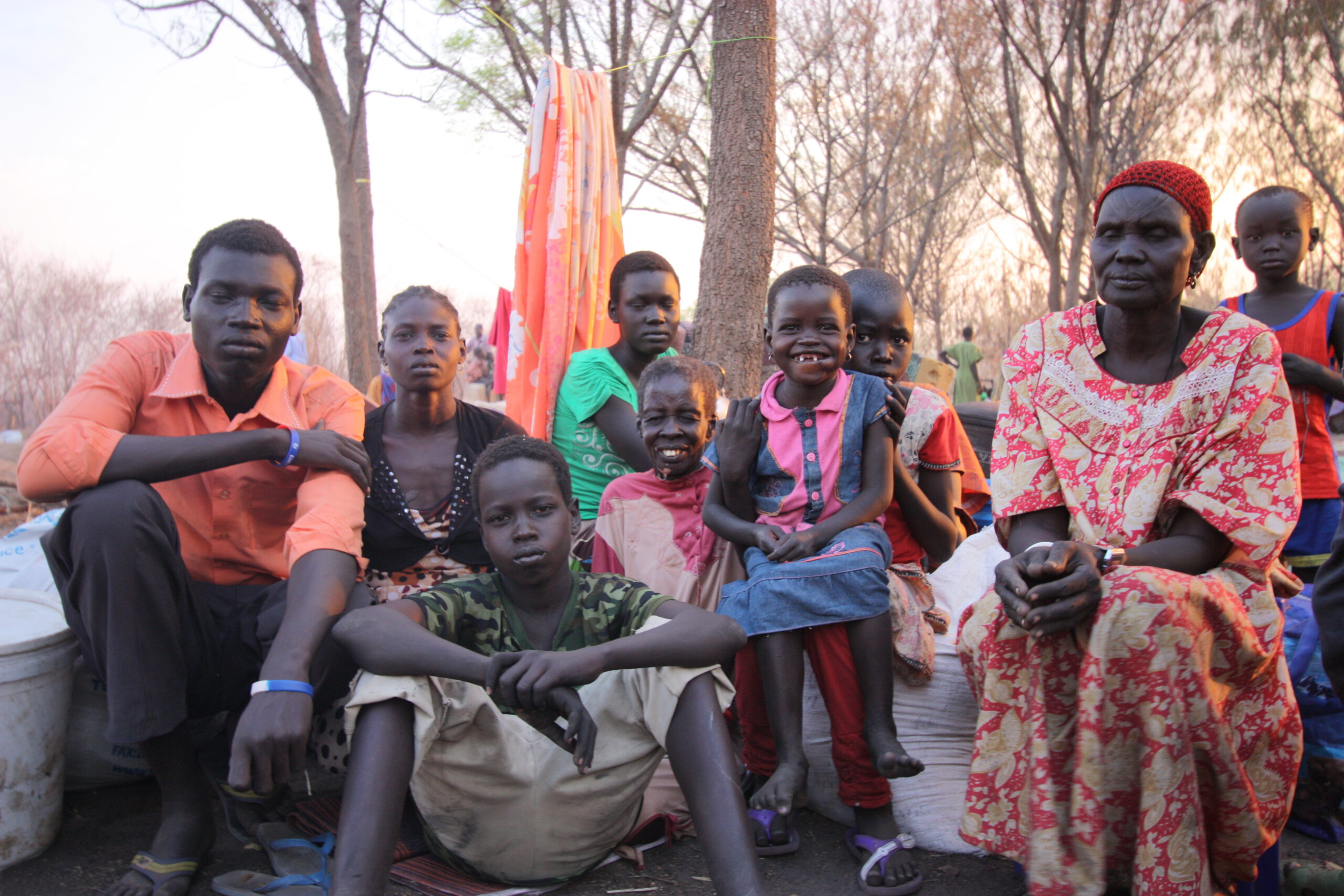
The Roles and Responsibilities of Private Sector Actors in Transitional Justice: Phase II
Africa, Latin America and the Caribbean, Transitional Justice -
Event
Member Spotlight: Single Mothers Association of Kenya
Africa, Youth -
Event
Reporting for Change: Engaging Media Outlets to Support Transitional Justice
Africa, Media, Transitional Justice -
Event
Violent Extremism and Transitional Justice Webinar
Africa, Peace Education, Transitional Justice, Violence Prevention -
Event
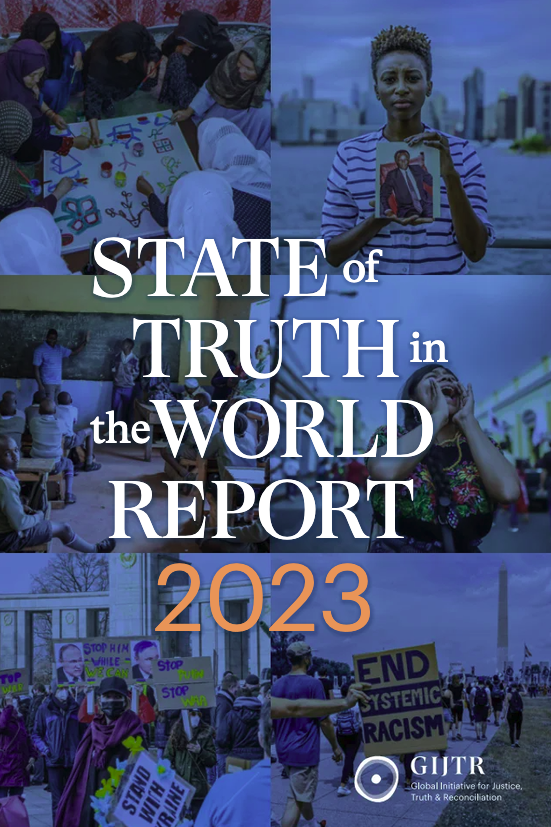
State of Truth in the World Report: Africa
Africa, Memorialization, Transitional Justice, Violence Prevention