
European Sites of Conscience Network
Regional Members
-
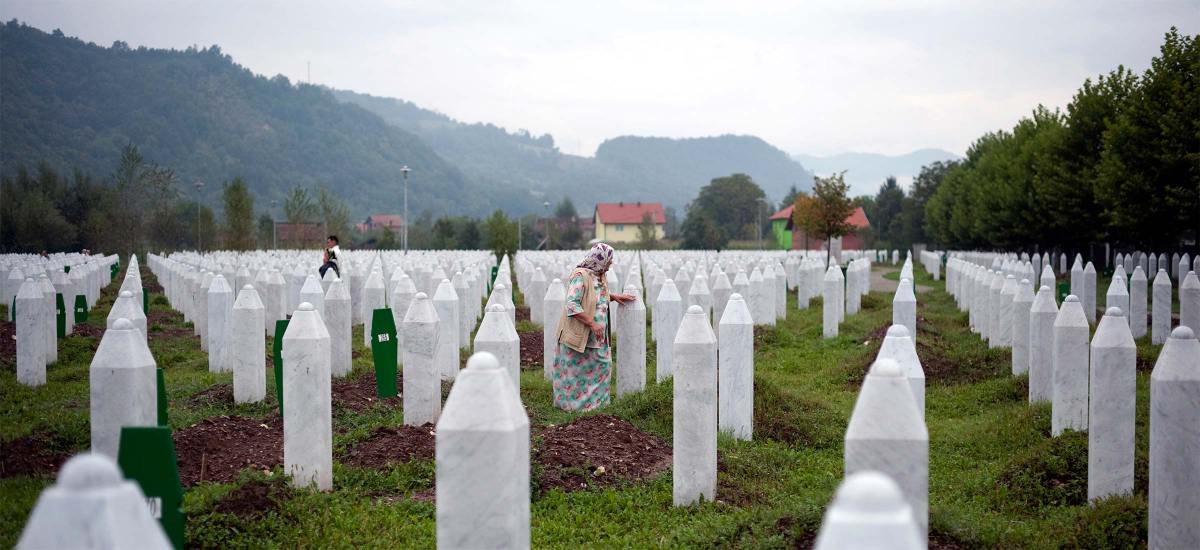
Srebrenica-Potocari Memorial Center & Cemetery (Bosnia and Herzegovina)
Over 8,000 Bosnian men were executed by the Bosnian Serb Army in the Eastern Bosnia and Herzegovinan enclave of Srebrenica. These killings became the single largest massacre to take place on the European continent since World War II. Inside a former battery factory, where the Army separated families before the executions, the Srebrenica-Potocari Memorial Center…
-
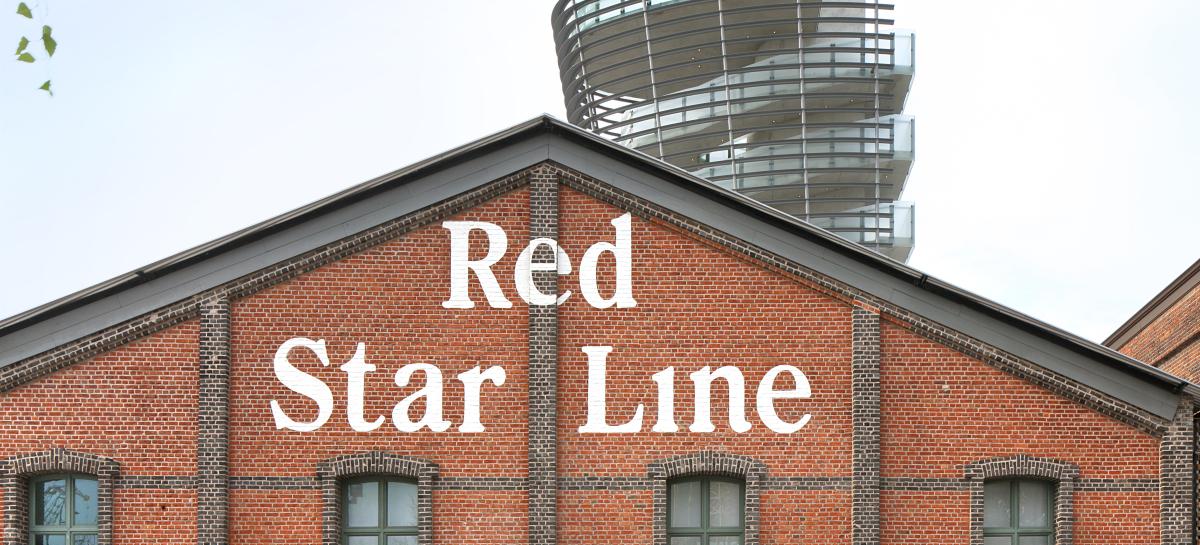
Red Star Line Museum (Belgium)
Between 1873 and 1934, the legendary Red Star Line transported more than two million European passengers to America. At the port in Antwerp, Belgium, emigrants in steerage class underwent disinfection and medical examinations while clerks scrutinized their documents. Today, three warehouses stand as a testament to this emigrant experience. The Red Star Line Museum is…
-
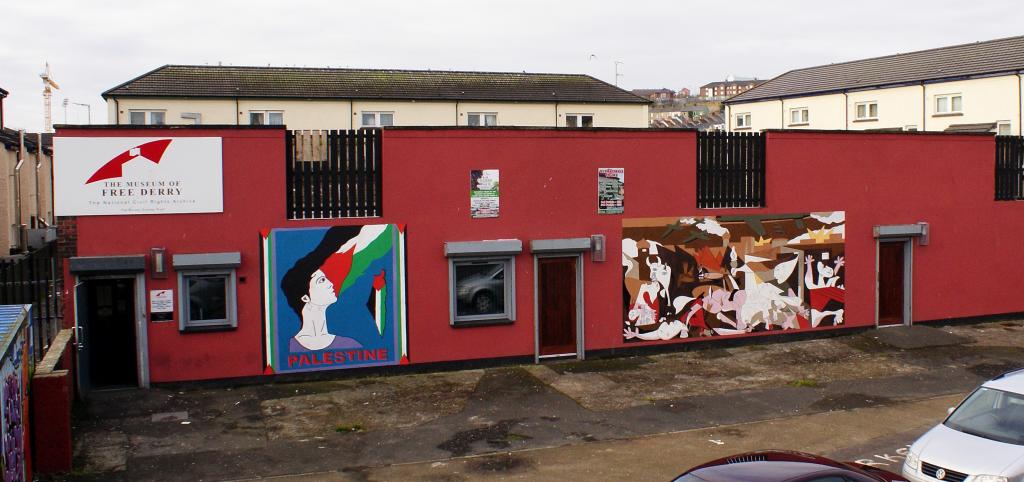
Museum of Free Derry (Northern Ireland)
On Sunday, January 30, 1972, in an incident known as Bloody Sunday, British paratroopers killed 14 people and wounded 17 others after a peaceful civil rights march in the Bogside area of Derry. Glenfada Park, in the heart of the Bogside, lies on the “killing line of” Bloody Sunday, where four of the 14 men…
-
Museo Storico della Liberazione – Roma (Italy)
Museo Storico della Liberazione – Roma is housed in the building which, during the Nazi occupation of Rome, was used as a prison by the Security Police. Â The detention cells, which then occupied the entire building but are now only two of the four apartments for a museum, are still as they were left…
-
Memorial Democràtic de la Generalitat de Catalunya (Spain)
By recovering formerly repressed histories and voices, Memorial Democràtic aims to defend the Catalan citizens’ “right to remember.” The institution works to research, preserve, and publicize the history of the period 1931-1981, including the democratic struggle against fascism during the Spanish civil war, Franco’s regime, the citizens’ fight for democracy against the dictatorship, and the…
-
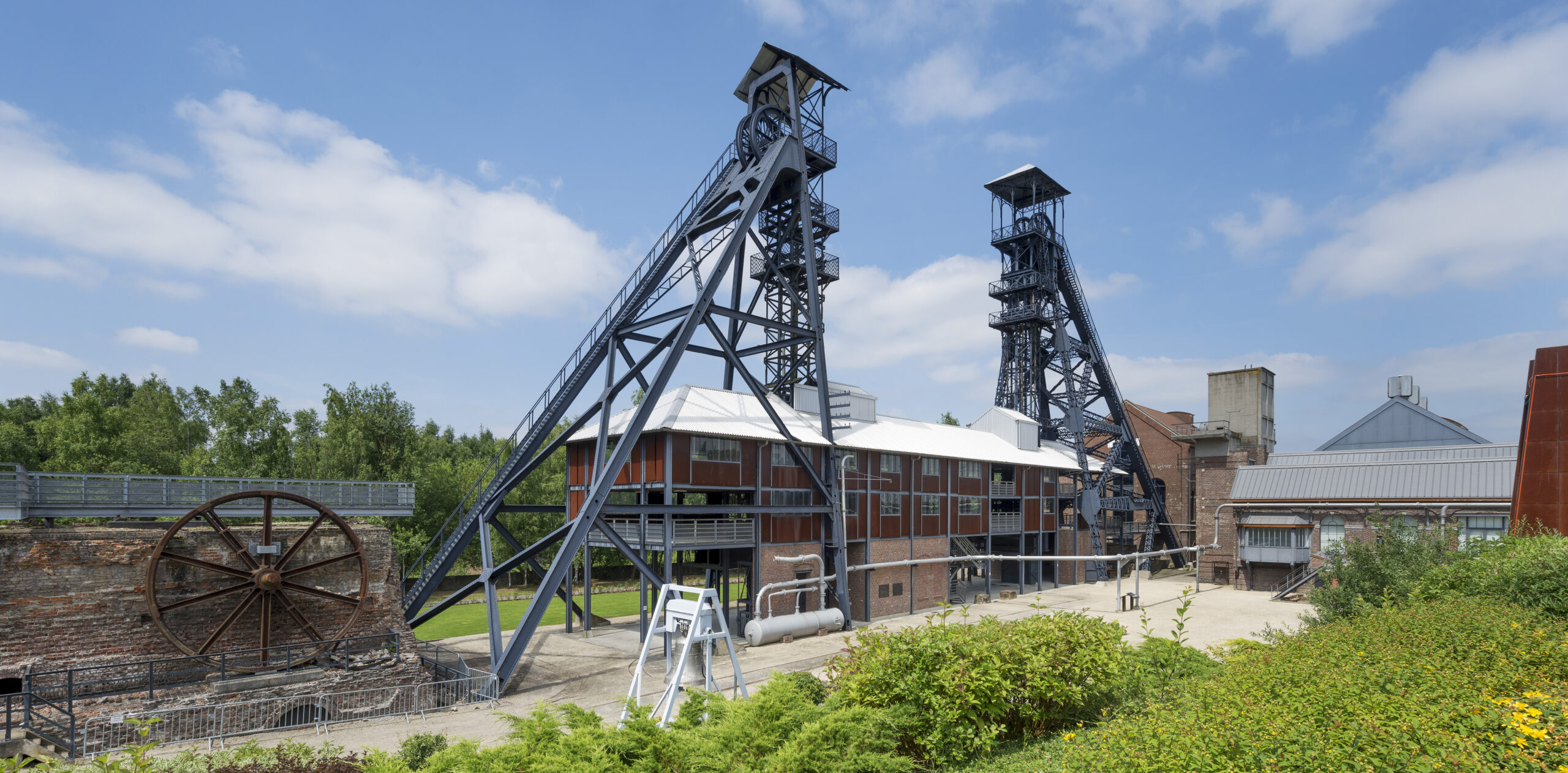
Le Bois Du Cazier (Belgium)
On August 8th, 1956, a fire spread through Le Bois du Cazier coal mine in Marcinelle, Belgium, claiming the lives of 262 men representing 12 different nationalities. The disaster was the largest industrial tragedy of its kind in Belgian history, leaving in its wake hundreds of widows and orphans. More than half of the 262 victims were…
-
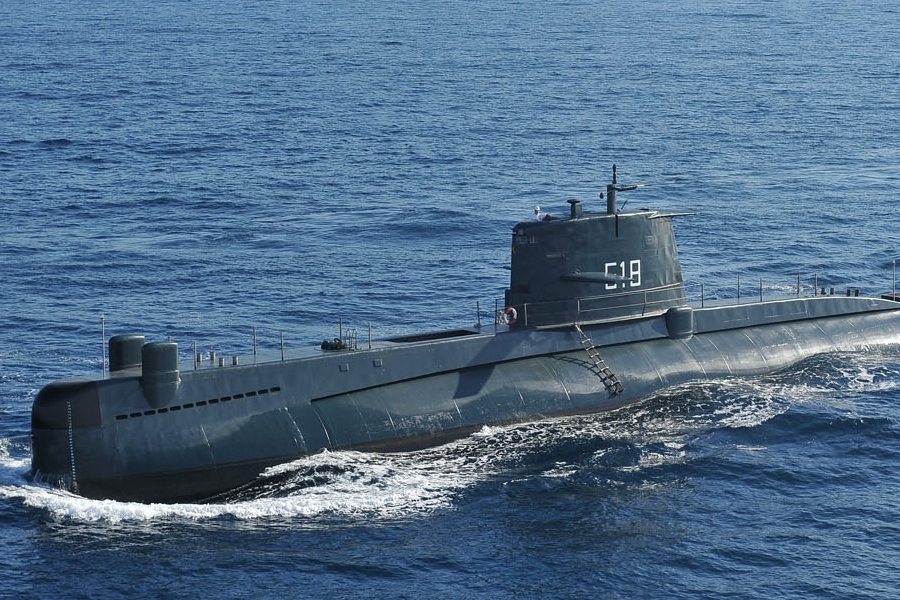
Istituzione Musei del Mare e delle Migrazioni – Mu.MA (Italy)
From museum complex to cultural center, Mu.MA presents the sea as a dialogue between people and cultures. Galata Maritime Museum is located in the center of Genoa, in a main tourist area close to the sea. Memory and Migrations is a section of the museum entirely dedicated to migrations and where a link is made between…
-
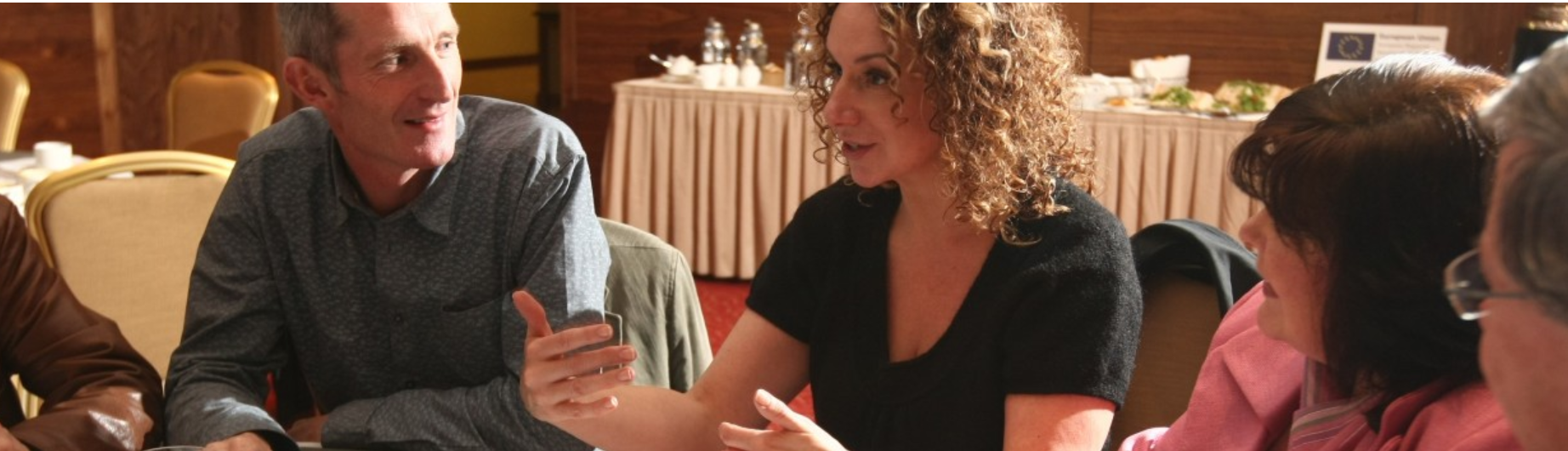
Healing Through Remembering (Northern Ireland)
Healing Through Remembering (HTR) is a cross-community project made up of individual members holding differing political, social, and religious perspectives who come together to focus on how best to deal with the history of conflict in and about Northern Ireland. Uniquely, HTR ensures comprehensive involvement of all stakeholders to investigate the feasibility, viability, and usefulness…
-
Gulag Museum at Perm-36 (Russia)
In 1995, in the Perm region of the Russian Federation, a unique memorial museum of the history of political repression was created in the former camp for political prisoners Perm-36. The core of this camp is the only surviving camp complex of buildings from Stalin’s gulag era. For nearly 20 years, the Memorial Centre Perm-36…
Regional Projects and Resources
-
Report
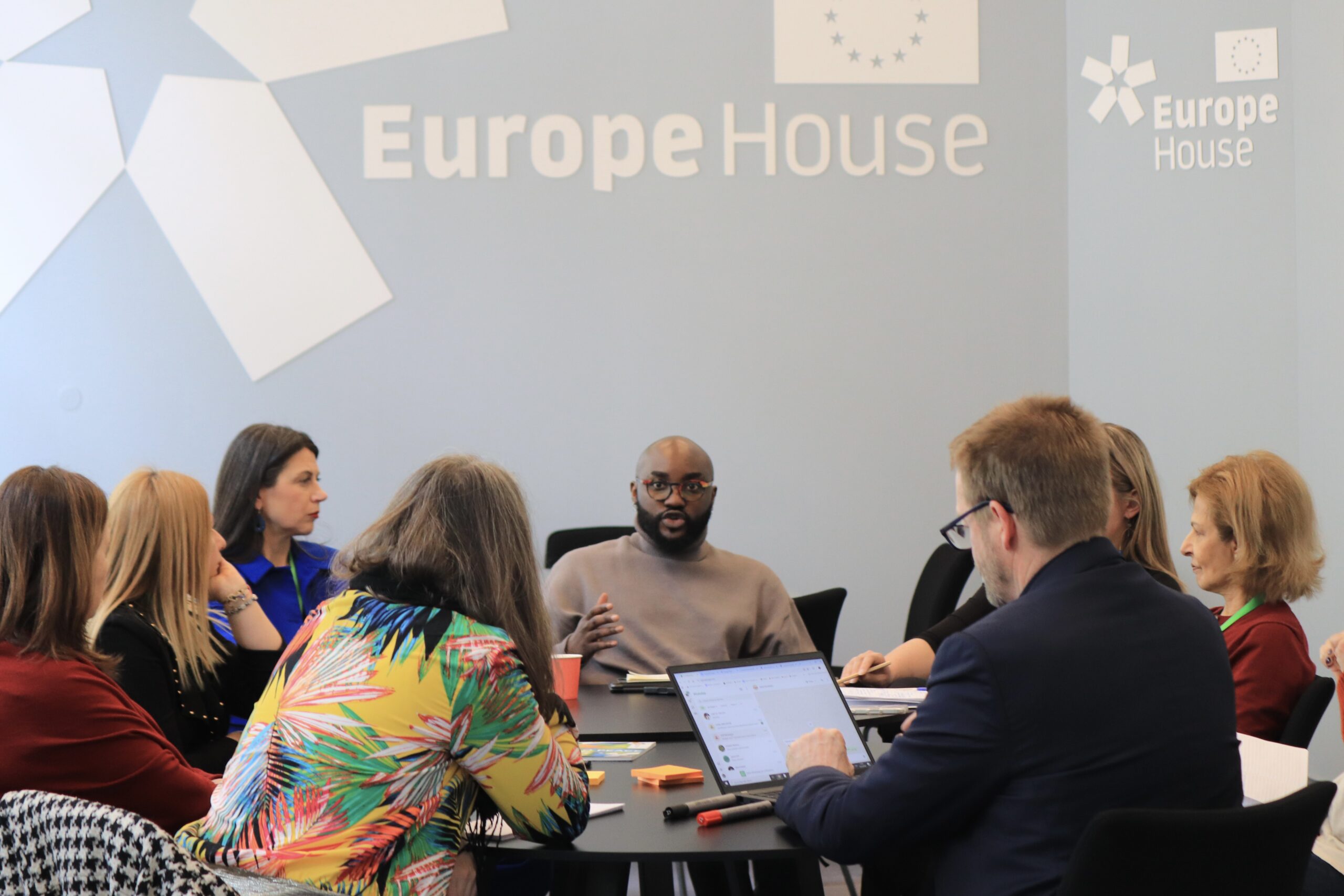
Closing the Gaps: Memory, Prevention, and Social Cohesion in Europe
Europe, Memorialization, Restorative History -
Toolkit
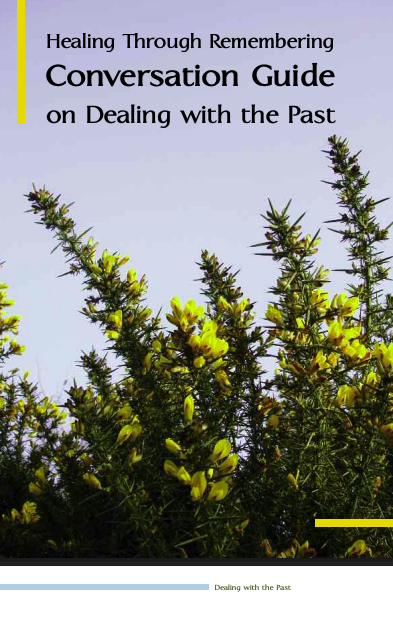
Conversation Guide on Dealing with the Past
Contested Histories, Dialogue, Europe, Storytelling -
Toolkit
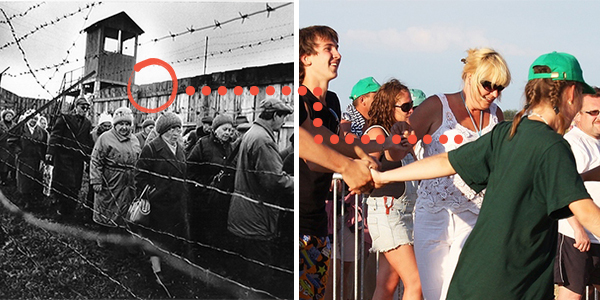
I Have the Right Club
Contested Histories, Dialogue, Europe -
Toolkit
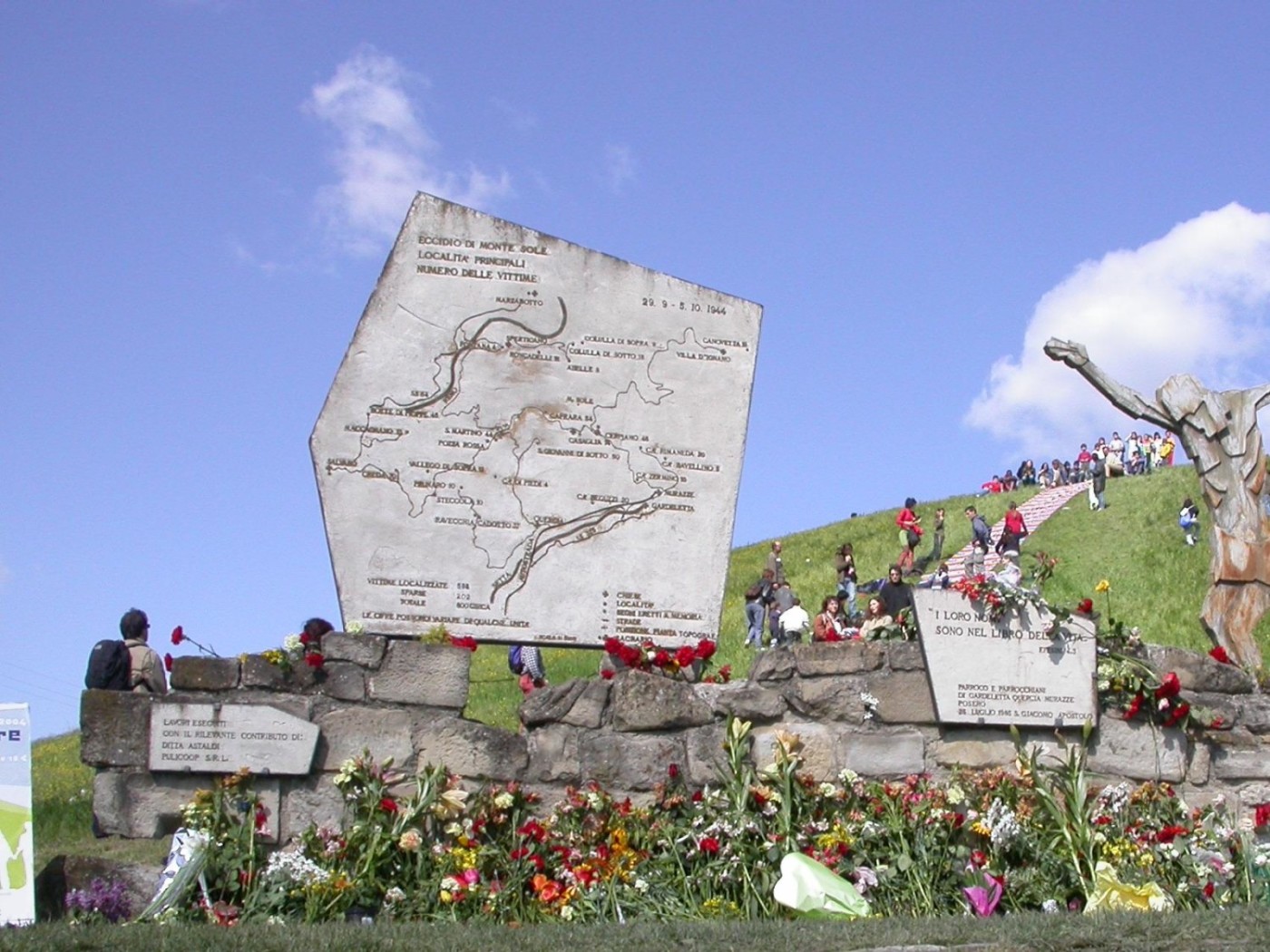
If Only It Were That Simple: The Educational Approach of the Monte Sole Peace School
Dialogue, Europe, Oral Histories, Peace Education, Violence Prevention, Youth -
Toolkit
Sharing Stories, Shaping the Future: Dialogues on SPAÇ
Dialogue, Europe, Storytelling -
Toolkit
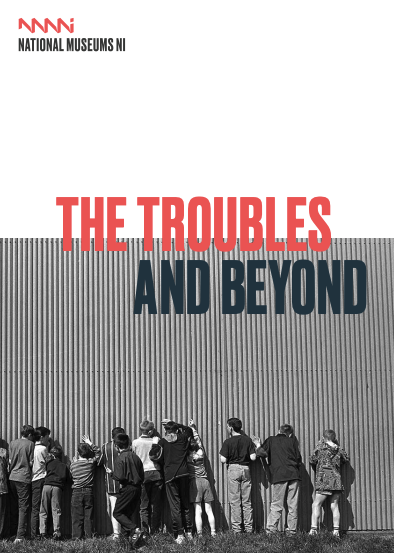
The Troubles and Beyond
Contested Histories, Dialogue, Europe -
Toolkit
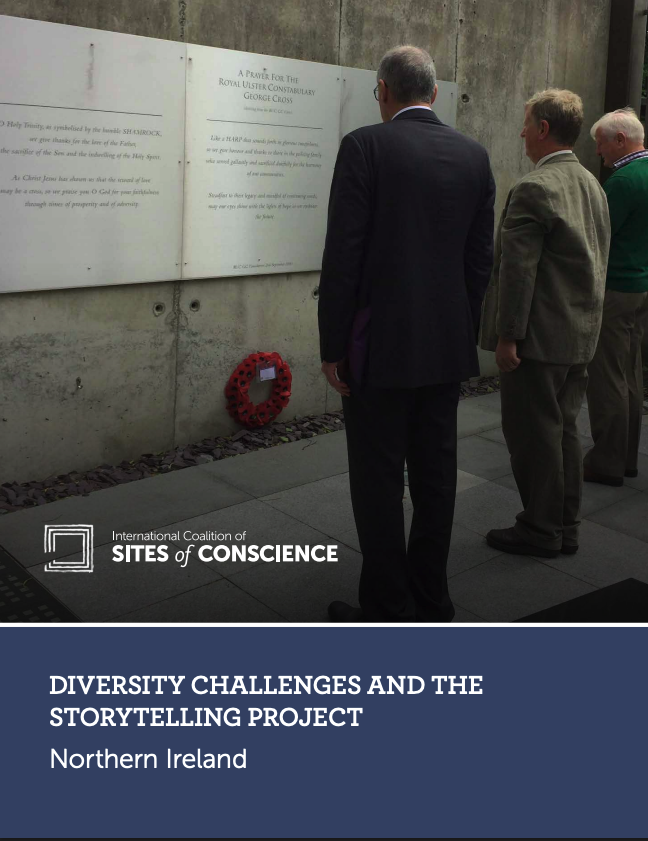
Diversity Challenges and the Storytelling Project
Europe, Peace Education, Storytelling -
Event
Rewriting History: Lessons from Eurasia
Asia, Contested Histories, Europe, Human Rights -
Report
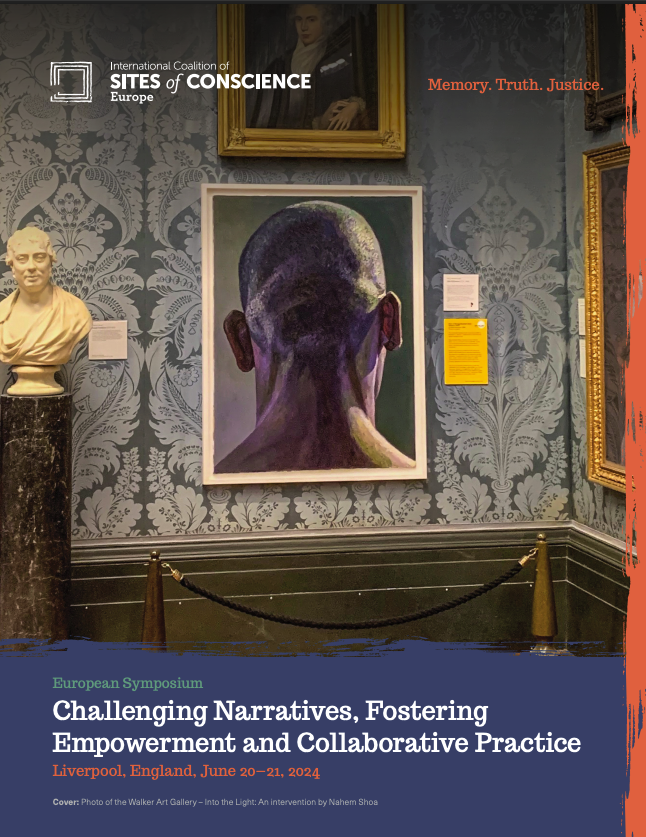
Challenging Narratives, Fostering Empowerment and Collaborative Practice
Europe, Oral Histories